How Long Do Brake Pads Last? A Tamworth Driver’s Guide
Brake pads don’t last forever, but how long they actually last varies considerably depending on how and where you drive. The standard range quoted by most manufacturers is 25,000 to 60,000 kilometres — a wide band that reflects just how much driving conditions influence wear rate. For drivers in and around Tamworth, those conditions are specific enough to warrant a closer look.
This guide covers typical brake pad lifespan, what accelerates wear in the Tamworth region, and the signs that tell you pads are due for attention. Lifespan is only part of the picture — it also helps to know how often you should get your brakes checked between replacements.
How Long Do Brake Pads Actually Last?
The 25,000 to 60,000 kilometre range is a genuine figure, not a hedge. Brake pads on a small passenger car driven mostly on flat urban roads by a light-footed driver will wear very differently to pads on a ute towing a trailer across hilly terrain. The friction material on the pad is consumed a little with every stop, and everything about how you stop — how hard, how often, from what speed and carrying what load — determines how fast that material disappears.
Pad compound matters too. Performance-oriented pads tend to be softer and bite harder but wear faster, while harder compounds last longer but may take longer to reach operating temperature. Most standard passenger vehicles come fitted with a compound that balances longevity with everyday performance.
Why Tamworth Driving Conditions Wear Pads Faster
Tamworth’s driving environment sits outside what most brake pad lifespan estimates are based on. Those estimates typically assume moderate urban driving with occasional highway use. The reality for a significant proportion of Tamworth drivers is quite different.
Factors specific to the region that accelerate brake pad wear:
- Long descents on the New England Highway and surrounding ranges, where drivers apply sustained brake pressure to control speed rather than a series of brief stops
- Gravel roads and unsealed tracks common on rural properties and surrounding areas, which generate higher dust and particulate levels that abrade pad and rotor surfaces
- Stop-start driving through the Tamworth CBD and surrounding towns during peak periods, which accumulates more individual brake events per kilometre than highway driving
- Higher average temperatures in summer, which can push brake components to operating temperatures that accelerate wear on standard compounds
Towing is also a significant factor for a large proportion of Tamworth drivers — we explain the mechanics in detail in our guide on
how towing affects your brakes.
Towing, Caravans and Trailers: A Separate Category
Drivers who regularly tow — whether a horse float, a farm trailer, a caravan or a boat — should apply a separate mental model to brake pad lifespan. Every braking event when towing involves stopping significantly more mass than the vehicle alone was designed for. The additional kinetic energy transfers almost entirely through the tow vehicle’s braking system when the trailer has no brakes of its own, and even with trailer brakes the tow vehicle is doing more work than usual.
A driver who tows regularly might find their brake pads wearing at the lower end of the lifespan range, or below it. Pad inspection should be more frequent for tow vehicles than for those used exclusively for passenger transport, and the type of pad compound used may warrant discussion with a brake specialist if towing is a regular part of the vehicle’s use.
Signs Your Brake Pads Are Due for Replacement
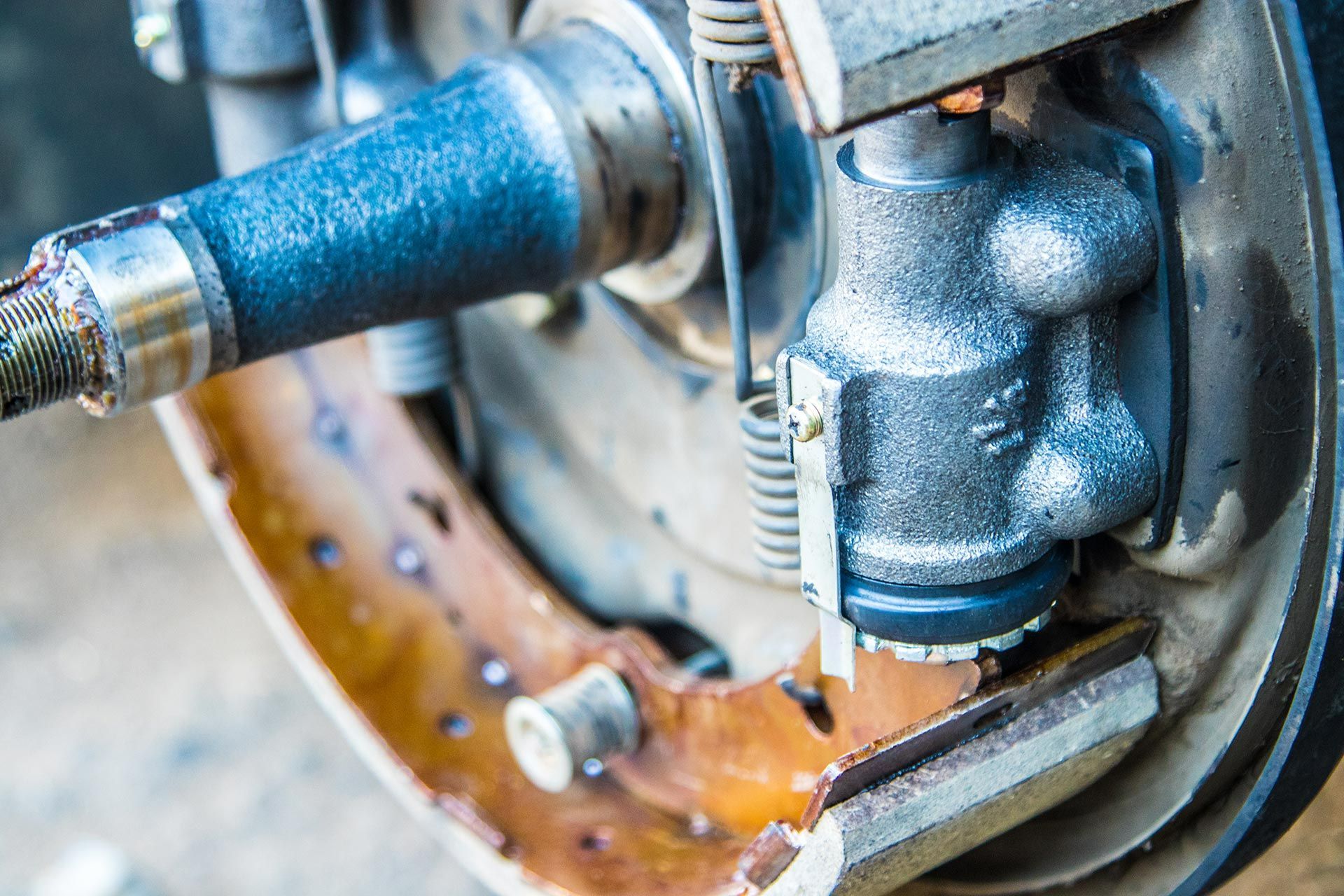
Most modern vehicles have a wear indicator built into the brake pad — a small metal tab that contacts the rotor once the friction material wears down to the minimum safe level, producing a high-pitched squealing noise when the brakes are applied.
This is a built-in warning system, but it’s worth knowing the other signs that appear before it activates:
- A squealing or squeaking noise when braking, particularly in the early stages when the indicator is first making contact
- A grinding noise, which indicates the pad material has worn through entirely and metal is contacting metal — at this point rotor damage is also occurring
- Increased stopping distance or a brake pedal that feels less responsive than usual
- Vibration through the steering wheel or brake pedal when stopping, which can indicate uneven pad wear or rotor damage
- A pulling sensation to one side under braking, suggesting uneven wear between the left and right pads
What Happens When Pads Are Left Too Long
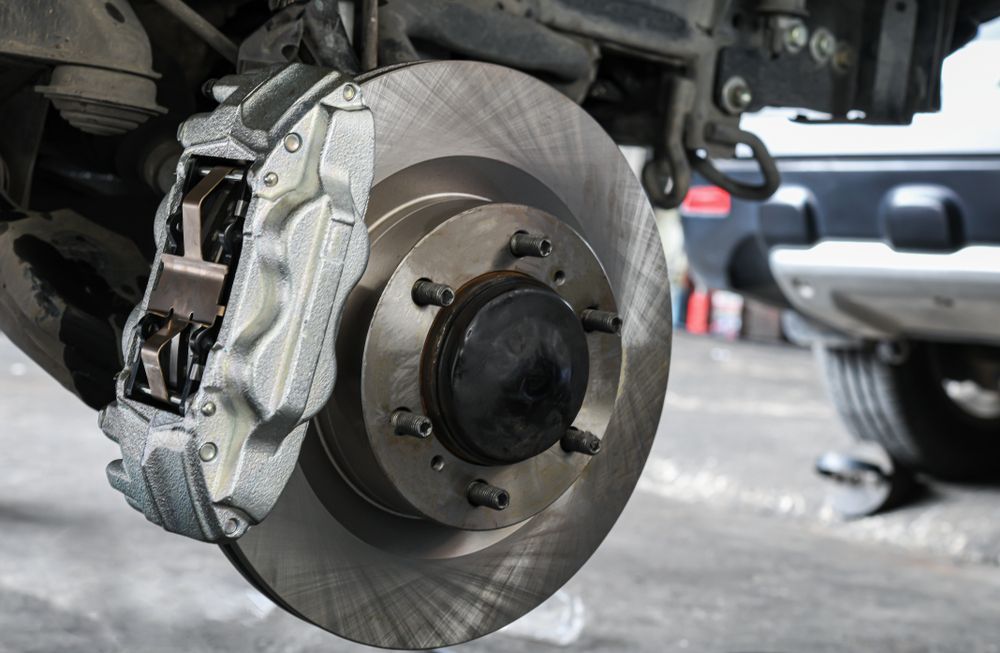
Worn brake pads don’t just reduce braking performance — they cause secondary damage to other components. When the friction material is gone and metal contacts the rotor directly, the rotor surface is scored and grooved. A rotor that has been damaged by metal-to-metal contact can’t be simply wiped clean — the surface needs to be assessed for whether it can be machined back to specification or requires replacement.
When pads wear unevenly they can score the rotors in a pattern that affects braking feel and efficiency. On-site
brake machining can restore the rotor surface where the material is still within minimum thickness — avoiding the cost of a full rotor replacement in some cases.
How Driving Style Affects Pad Lifespan
Two drivers covering the same kilometres in the same vehicle can go through brake pads at noticeably different rates. A driver who anticipates stops early, allows the vehicle to coast down in speed before braking and applies steady, moderate pressure extends pad life. A driver who brakes late and hard, maintains speed until the last moment and relies heavily on the brakes rather than engine braking is wearing pads faster with every trip.
In hilly terrain around Tamworth and the New England Tablelands, engine braking on descents — selecting a lower gear to slow the vehicle rather than riding the brakes — significantly reduces the load on brake pads. It’s a practical habit for any driver regularly travelling through this part of regional NSW.
Different Vehicles, Different Wear Rates
Vehicle type and weight are significant factors in brake pad longevity. Heavier vehicles require more force to decelerate and place greater demands on the braking system with each stop.
This is why:
- Utes and SUVs typically wear brake pads faster than small hatchbacks, even with identical driving conditions
- Work vehicles that carry loads regularly — whether tradies’ utes, farm vehicles or delivery vans — will wear pads faster loaded than empty
- Performance vehicles with larger, heavier rotors and higher-specification brake systems may use pads designed for a different duty cycle to standard passenger vehicles
If you’ve replaced pads at shorter intervals than expected, it’s worth discussing whether the factory pad specification is appropriate for how you actually use the vehicle.
When to Book a Brake Check Rather Than Wait for a Warning
The built-in wear indicator on most brake pads is a last-resort warning, not a scheduled maintenance trigger. By the time the indicator sounds, the pads are at minimum thickness and replacement is overdue rather than due. Planning a brake check around kilometres driven or time elapsed — rather than waiting for the squeal — is a more proactive approach.
As a general guide, having brakes inspected every 15,000 to 20,000 kilometres, or whenever a service is performed, gives a clear picture of remaining pad life before it becomes urgent. For vehicles doing frequent towing, regular rural driving or long descents, more frequent checks make sense.
Brake Pad Replacement in Tamworth
If your pads are approaching the end of their life or you’re not sure where they sit, our team handles brake pad replacement in Tamworth on-site, often the same day. We’ll inspect the pads, rotors and overall brake condition and give you a clear picture of what’s needed before any work begins.
Contact Kings Brake Service Specialists to arrange a brake inspection or replacement at a time that suits you.