How Towing Affects Your Brakes: What Tamworth Drivers Need To Know
When you’re towing a caravan, trailer or horse float, your vehicle’s brakes are doing much more than usual. The extra weight and momentum mean every stop demands more power, more heat management and more attention to detail. For Tamworth drivers who often travel long distances or tow through hilly country roads, understanding how towing affects your brakes is essential for safety and vehicle longevity.
Below, we’ll explore the key ways towing impacts your braking system and how professional servicing helps keep your vehicle performing at its best on every journey.
1. The Hidden Strain Towing Puts on Your Brakes
Towing increases the total load your vehicle must slow down or stop, which puts tremendous strain on the braking system. The extra weight of a trailer or caravan means your brakes work harder, generating more friction and heat each time you stop. This added stress accelerates wear on brake pads, rotors and fluid, potentially leading to reduced stopping performance if not properly maintained.
Common effects of towing on brakes include:
- Increased brake wear due to higher friction and pressure.
- Greater heat buildup that can lead to component damage over time.
- Longer stopping distances, particularly on steep or uneven roads.
Regular brake inspections before towing trips ensure your vehicle is ready for the task ahead and reduce the risk of unexpected issues when travelling with a load.
2. Why Brake Fade Happens Faster When You Tow
Brake fade occurs when excessive heat reduces the effectiveness of your braking system. It’s a common issue during heavy towing, especially on long descents or when brakes are applied continuously over time. When the brake components become too hot, friction materials lose their ability to grip effectively, causing the pedal to feel soft or unresponsive.
Tamworth’s rural roads and hilly terrain can make this problem worse, as frequent braking is often necessary. Professional brake servicing helps prevent fade by ensuring your system has the right fluid type, properly ventilated rotors and pads that suit towing conditions. Routine checks can mean the difference between smooth control and sudden braking loss under pressure.
3. Understanding the Role of Trailer Brakes and Controllers
A key part of safe towing is ensuring your trailer’s brakes and brake controller are in good working order. These systems are designed to share the braking load between your vehicle and the trailer, maintaining balance and control. A quality electronic brake controller senses when you apply the brakes and adjusts the trailer’s braking force to match.
Key points to remember include:
- Trailer brakes are legally required on heavier loads and must be regularly tested.
- Electronic brake controllers need correct calibration for your specific setup.
- Professional inspections help ensure both vehicle and trailer brakes are operating in sync.
When these systems are maintained together, stopping becomes smoother, safer and far more predictable, no matter what you’re towing.
4. Signs Your Brakes Are Struggling Under a Towing Load
It’s easy to overlook early warning signs of brake strain when towing. However, paying attention to subtle changes in performance can prevent serious safety issues. Common signs include squealing or grinding noises, vibration through the pedal, a burning smell after braking or your vehicle pulling to one side. You might also notice that it takes longer to come to a complete stop.
These symptoms indicate that your brake components are under excessive stress or heat and may need professional attention. Booking a brake service or repair appointment as soon as possible helps restore safe operation and prevents further damage to critical parts.
5. Heat Management: Keeping Your Brakes Cool on Long Trips
Brakes convert motion into heat, and when towing, that heat multiplies quickly. Excessive temperatures can lead to brake fade, fluid boiling or warping of rotors, all of which reduce braking power. Managing heat effectively is one of the simplest ways to protect your brakes and improve safety during long-distance towing.
Practical cooling tips include:
- Use engine braking when descending hills to reduce brake pressure.
- Avoid constant braking, instead, brake firmly for short intervals.
- Take rest stops to allow your brakes to cool naturally.
A professional brake inspection can also detect early signs of heat stress, ensuring pads and rotors are in top condition before your next trip.
6. The Importance of Upgrading Brake Components for Towing
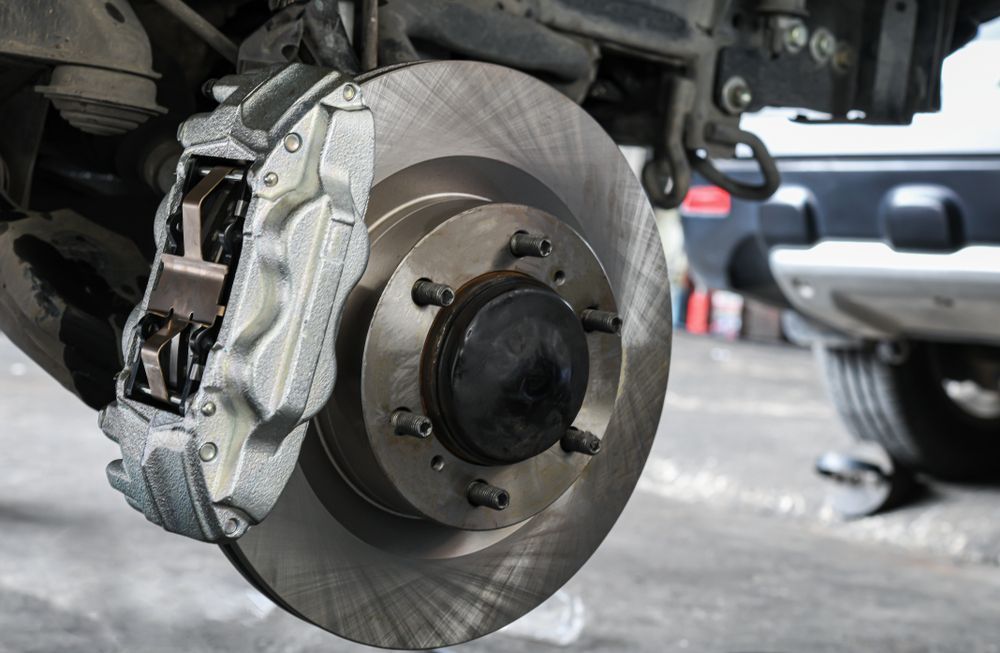
If you regularly tow heavy loads, upgrading your braking components can make a noticeable difference in performance and safety. High-quality rotors, heat-resistant brake pads and premium brake fluids are designed to handle the extra stress and temperature demands of towing.
A professional brake specialist can recommend performance parts suited to your vehicle type and towing weight. These upgrades not only improve stopping power but also extend component life and reduce maintenance frequency. Investing in the right setup now ensures reliable, confident braking every time you hit the road with a trailer or caravan in tow.
7. Routine Maintenance That Protects Your Braking Power
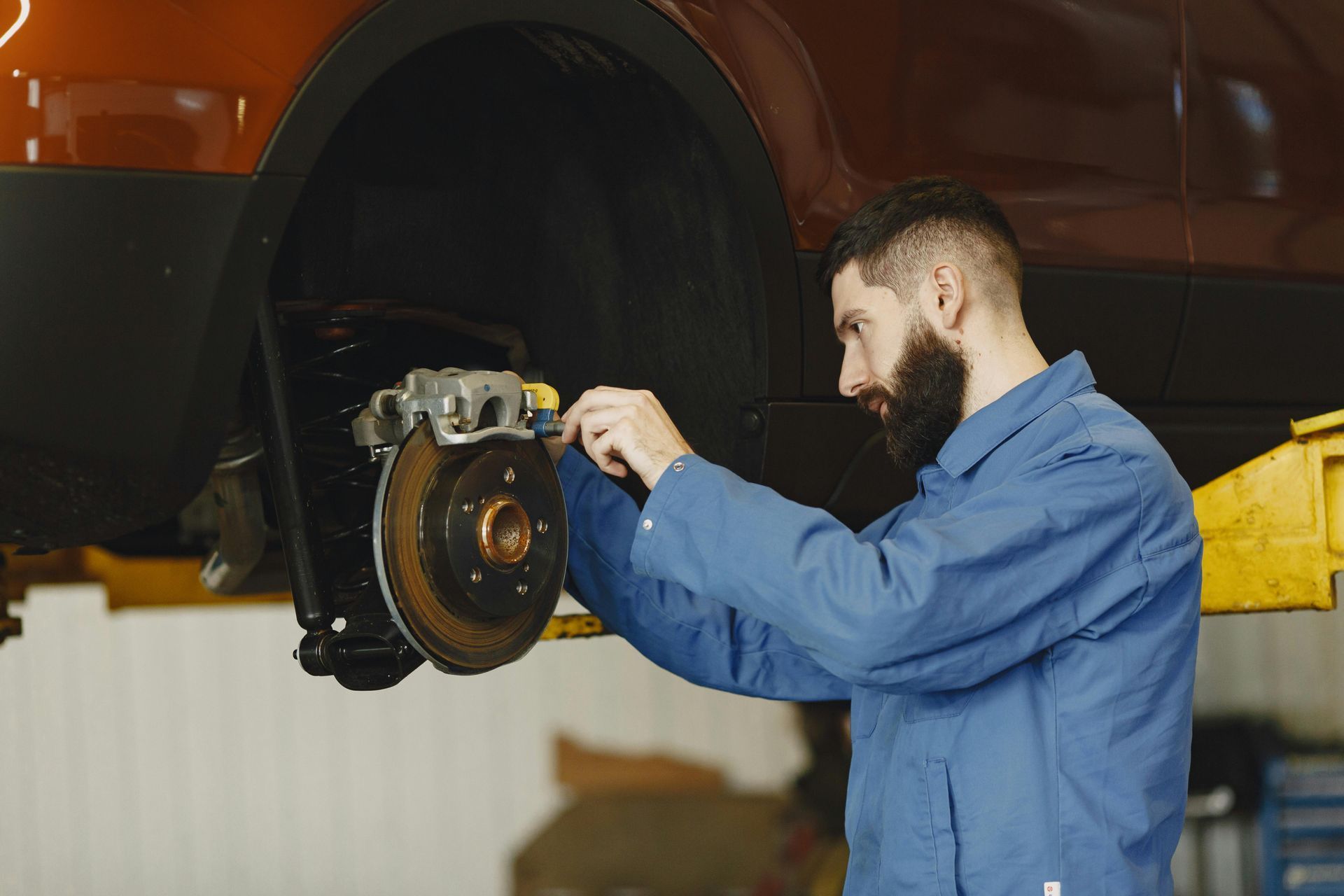
Consistent maintenance is the backbone of safe towing. Your brakes need more attention when they’re working harder, which means keeping up with service intervals is crucial. Brake servicing covers everything from pad and rotor checks to brake fluid replacement, helping maintain performance and avoid costly breakdowns.
A professional brake service typically includes:
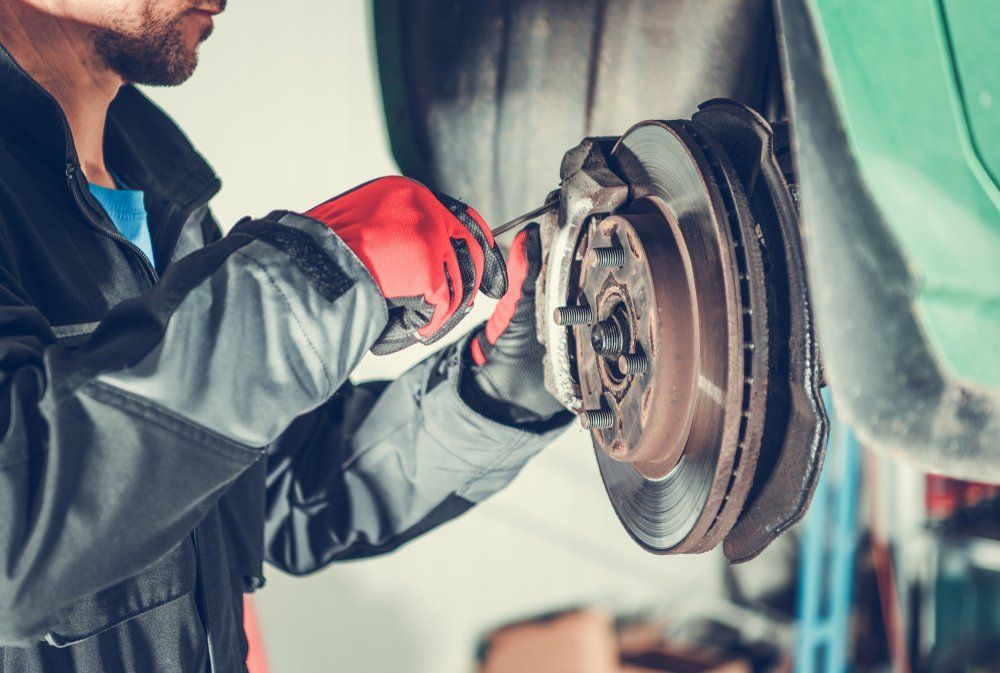
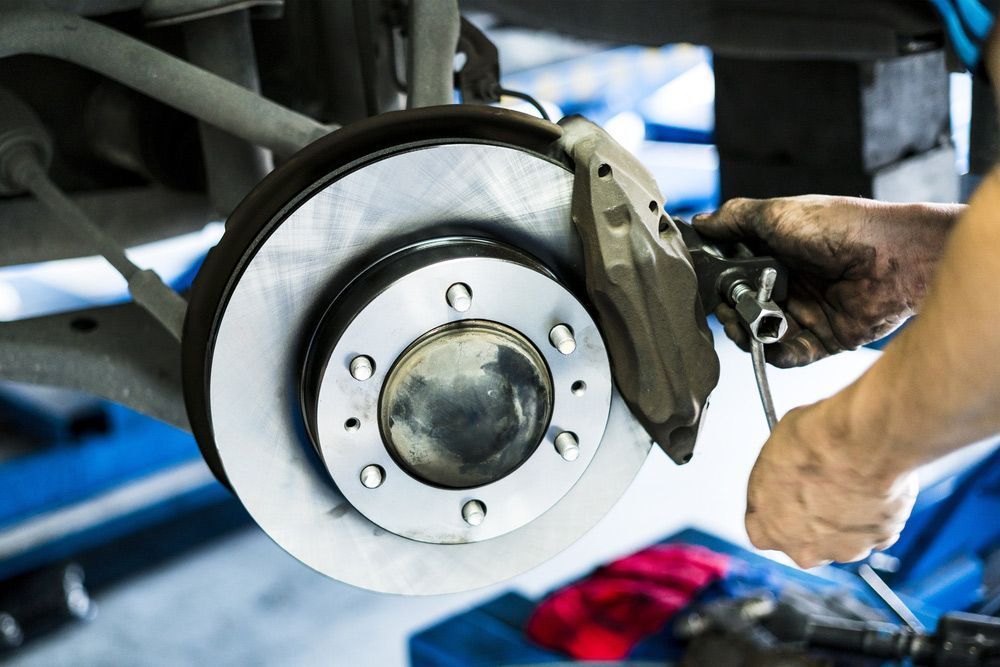
- Brake pad and rotor inspections to identify wear or damage.
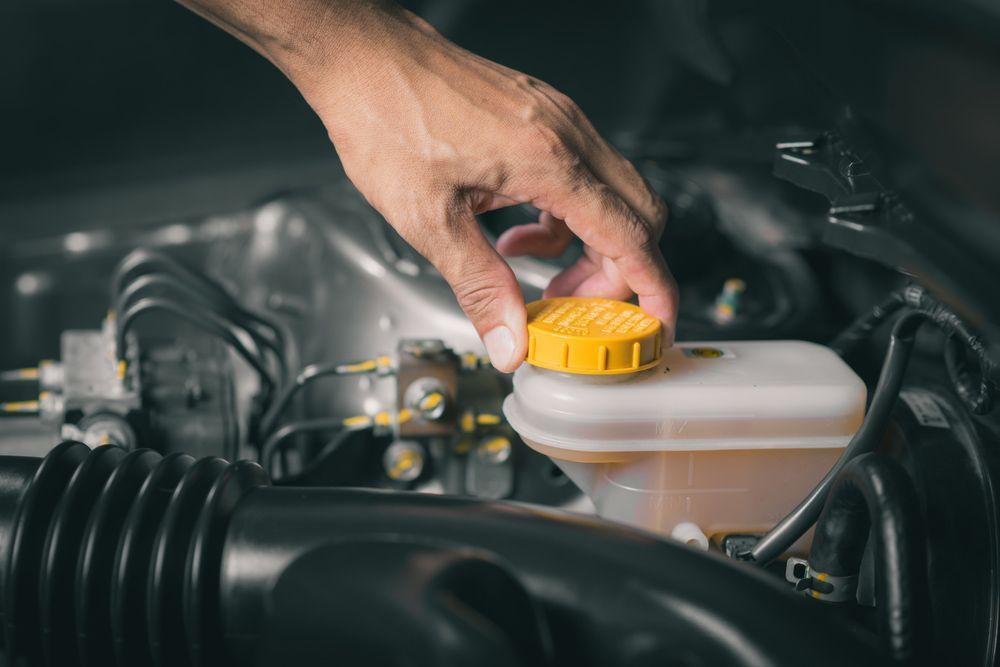
- Fluid flushes and replacements to prevent moisture buildup.
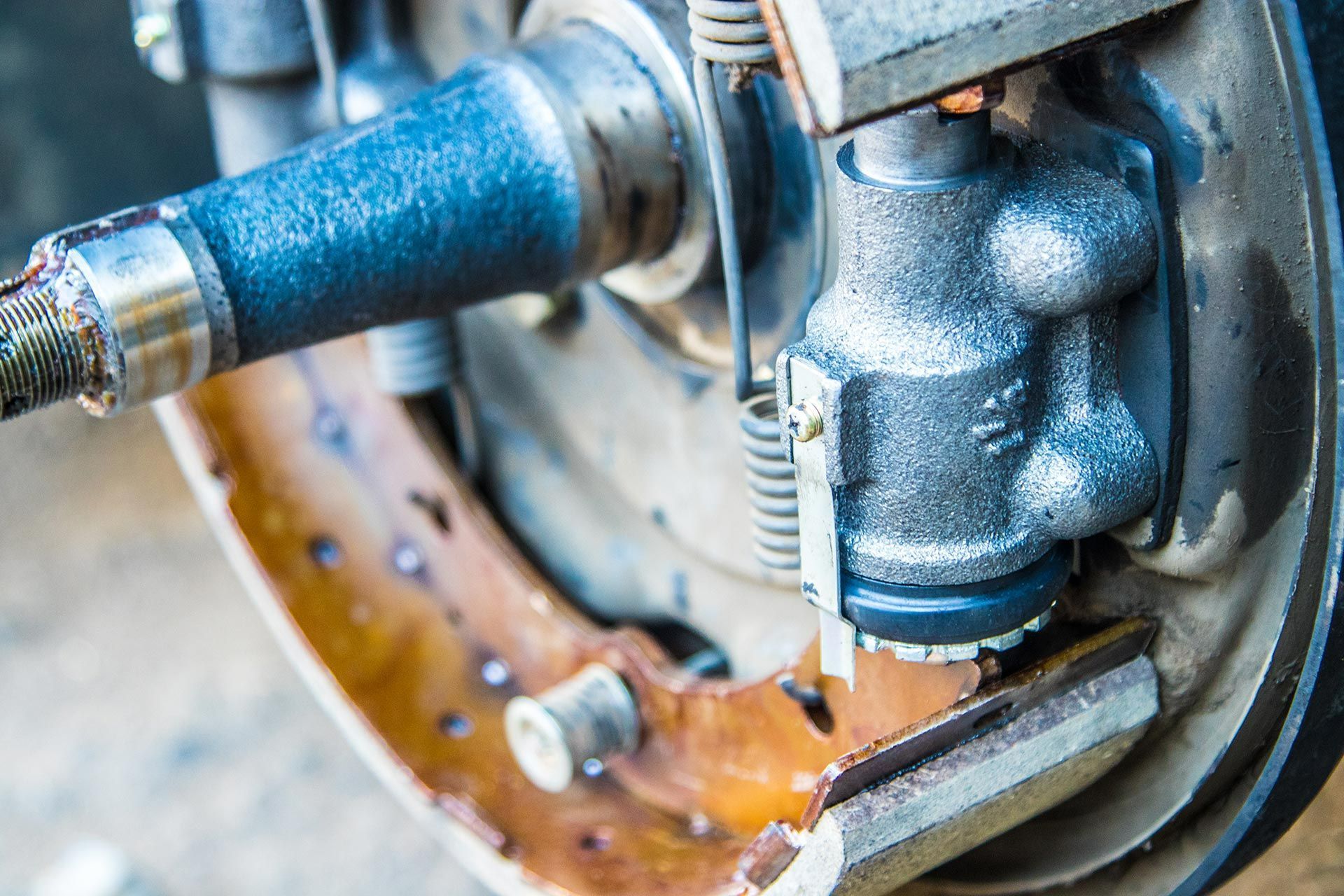
- Brake line and hose checks for leaks or corrosion.
Regular maintenance ensures your brakes deliver smooth, balanced performance, no matter how heavy the load behind you.
8. Preparing for Your Next Tow: Safety Starts with a Brake Check
Before you set off on your next camping trip, work run or towing adventure, a thorough brake inspection should be top of the list. It’s the easiest way to confirm your vehicle is towing-ready and that all braking components are in peak condition. A qualified technician can test braking balance, identify wear and make any necessary adjustments to keep you and your load safe.
Staying proactive with your brake care isn’t just about comfort, it’s about control, confidence and peace of mind on the road.
At Kings Brakes, we understand the unique challenges of towing through Tamworth and regional NSW. Whether you’re hauling a caravan, horse float or work trailer, our expert technicians provide comprehensive brake service and brake repairs in Tamworth to keep you driving safely. We inspect, repair and upgrade braking systems to suit towing and heavy-duty conditions so you can travel with confidence wherever the road leads.
If you’re planning your next trip or need a pre-tow inspection, book your brake check today at www.kingsbrakes.com.au and make sure your vehicle is ready for the journey ahead.