Brake Fluid Explained: When It Needs Changing And Signs It’s Overdue

Kings Brake Service Specialists • December 29, 2025

Most drivers think about brake pads and rotors when they imagine brake maintenance, but brake fluid is just as important. It’s one of the few components in your vehicle that affects every single stop you make, whether you’re braking gently at a roundabout or performing an emergency stop on the motorway. When brake fluid ages, absorbs moisture or becomes contaminated, your braking system loses power and responsiveness. This leads to longer stopping distances, a spongy pedal feel and serious safety risks.


Understanding how brake fluid works, why it wears out and when to replace it helps you stay ahead of problems and keep your braking system in top condition. With proper maintenance from a brake specialist, drivers can ensure safer operation and extend the lifespan of the entire braking system.

1. What Brake Fluid Actually Does: The Hidden Hydraulic Force Behind Every Stop

Brake fluid is the hydraulic lifeline of your braking system. When you push the brake pedal, the fluid transfers force through lines, valves and cylinders, enabling the brake pads or shoes to clamp down and slow the vehicle. Without clean, stable fluid, your brakes cannot generate consistent pressure. Even a small amount of contamination weakens the hydraulic flow and reduces braking performance.


A well-maintained brake fluid system supports essential components, including:


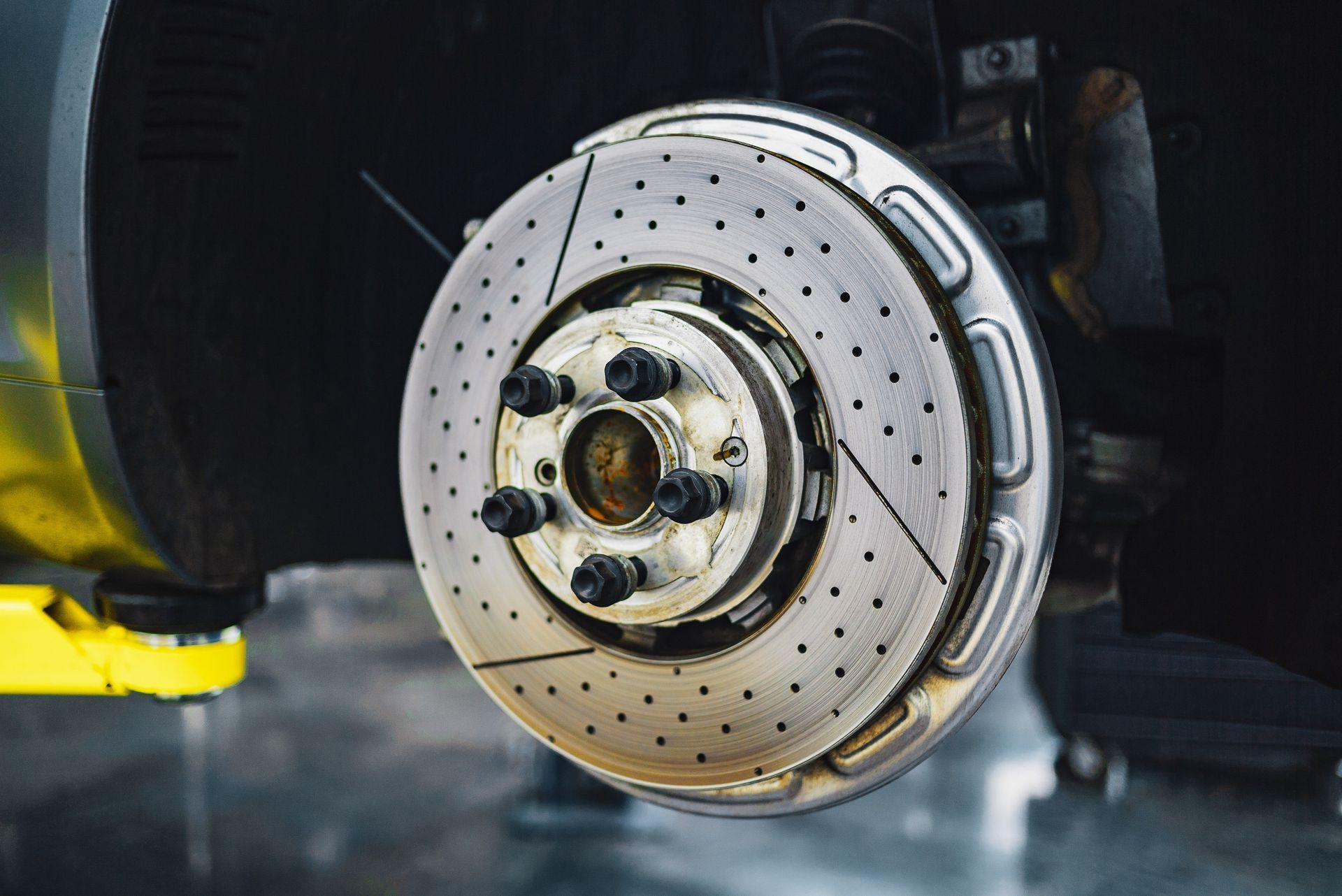
  • Brake master cylinder and callipers.
  • ABS (anti-lock braking system) modules.
  • Brake lines and hoses.
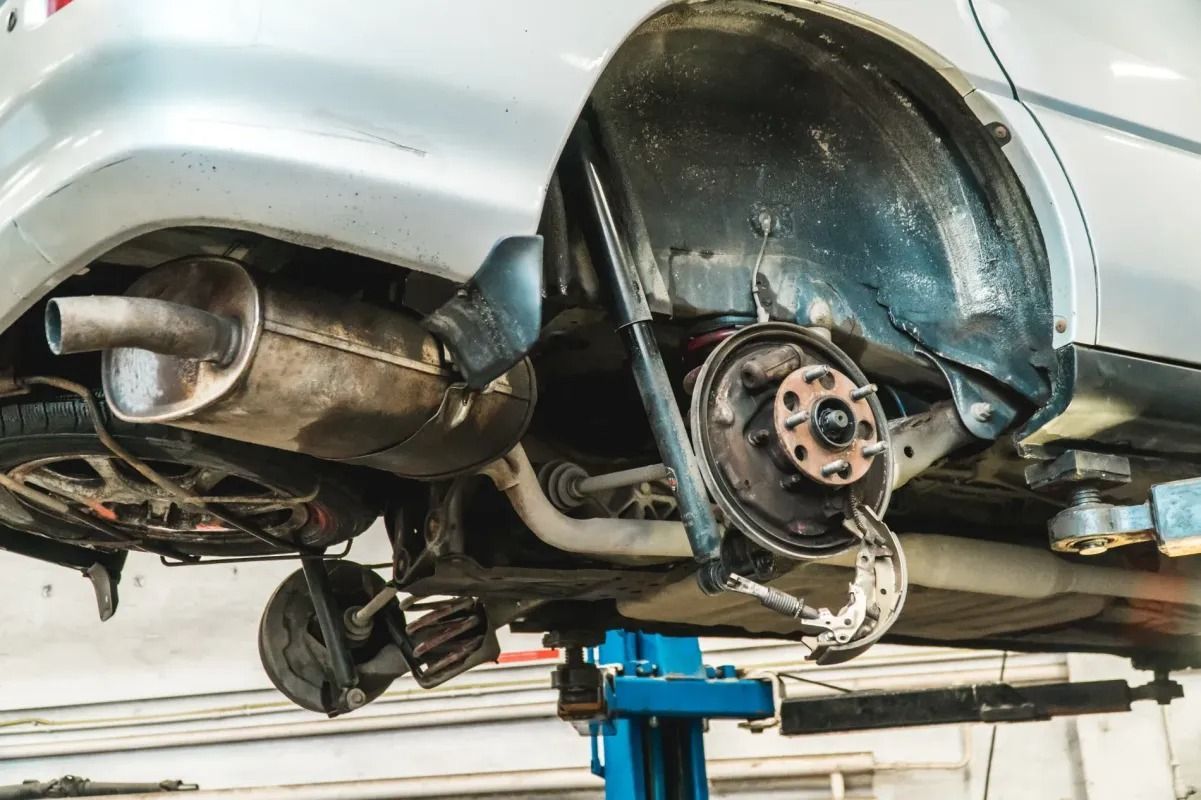
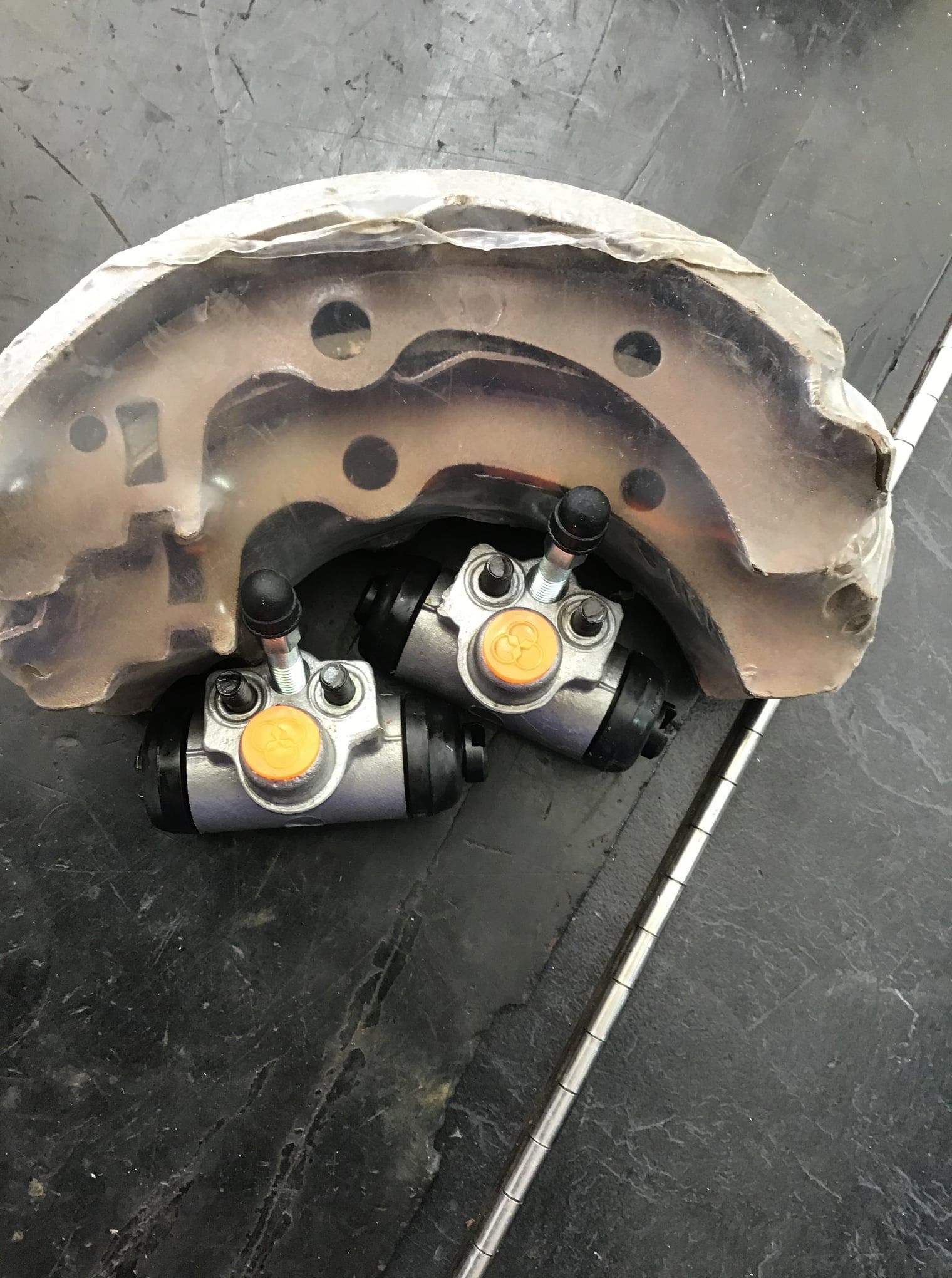
  • Wheel cylinders in drum brake setups.


When brake fluid is fresh and clean, the entire system works harmoniously. When it degrades, every part begins to suffer.

2. Heat, Moisture and Wear: Why Brake Fluid Breaks Down Over Time

Brake fluid is hygroscopic, meaning it naturally absorbs moisture from the air. Even sealed systems allow humidity to enter gradually. As water content increases, the boiling point drops, making the fluid more likely to vaporise under heat and create air pockets. This leads to brake fade, reduced pedal feel and inconsistent stopping performance.


Other contributors to brake fluid degradation include:


  • Heavy braking and stop-start driving, which generate heat.
  • Ageing seals and hoses that allow moisture ingress.
  • Contaminants from worn components entering the fluid.
  • Long service intervals without flushing.


Over time, these factors compound, making routine brake fluid replacement essential for safety.

3. The Manufacturer’s Interval: How Often a Brake Fluid Change Should Happen

Most vehicles require a brake fluid change every two years, though some manufacturers recommend shorter intervals depending on driving conditions. Brake fluid replacement is not a one-size-fits-all service. High-use vehicles, those used for towing or those operating in hot environments often need more frequent checks. Regular inspections help determine whether the fluid’s boiling point has dropped or contamination levels have increased.


Factors that shorten the replacement timeline include:


  • Frequent heavy braking or driving on steep terrain.
  • Older braking systems with worn seals.
  • Vehicles used for towing or carrying heavy loads.
  • ABS or stability control systems with higher heat output.


Following the recommended schedule helps prevent early wear and ensures reliable brake performance.

4. Spongy Pedals and Slow Stops: Early Warning Signs Your Brake Fluid Needs Changing

One of the first clues that brake fluid is overdue is a soft or spongy pedal feel. This occurs when moisture has reduced the fluid’s boiling point or when air has entered the system. Drivers may also notice increased stopping distances or inconsistent braking pressure, especially when braking hard. These symptoms can appear gradually or suddenly depending on the severity of fluid degradation.


Drivers should look out for:


  • A brake pedal that sinks further than usual when pressed.
  • Reduced braking power during repeated stops.
  • ABS activating earlier or more often than expected.
  • Fluid warning lights or dashboard alerts.


These signs indicate it's time to book brake maintenance before safety is compromised.

5. Dirty Fluid and Dark Reservoirs: Visual Clues You Should Never Ignore

Brake fluid begins as a clear, light-coloured liquid. As it ages, it becomes darker due to moisture, heat cycles and contaminants. Inspecting the brake fluid reservoir, without removing caps unnecessarily, provides a quick visual indication of its condition. Dark, cloudy or gritty fluid suggests oxidation and debris, all of which weaken hydraulic strength.


Visual indicators of ageing brake fluid include:


  • Fluid that looks brown, dirty or black.
  • A cloudy appearance or sediment floating in the reservoir.
  • Visible corrosion around the master cylinder.
  • A low fluid level despite no external leaks.


Any of these signs warrant a brake fluid change before further damage occurs.

6. Brake Fade on Hills or Heavy Loads: When Heat Exposure Shows Up Fast

Braking on hills, towing trailers or carrying heavy loads generates significant heat. This heat transfers directly into the brake fluid and accelerates moisture-induced boiling. When the fluid reaches boiling temperature, vapour bubbles form, reducing hydraulic pressure and causing brake fade. Even after cooling down, the fluid’s performance rarely returns to its previous condition.


Conditions that accelerate brake wear and require brake maintenance in Tamworth services include:


  • Driving on hilly or mountainous terrain.
  • Regular towing for work or recreation.
  • Long family trips with a fully loaded vehicle.
  • Heavy commuting in stop-start traffic.


These driving habits make regular inspections even more important.

7. Professional Brake Fluid Testing: Why DIY Checks Are Not Enough

While drivers can observe pedal feel or visual changes, only a brake specialist can accurately test brake fluid quality. Professionals measure moisture percentage, contamination levels and boiling point using specialised equipment. This ensures that the fluid meets safe operational standards and identifies underlying issues such as leaks, failing seals or ABS faults.


During a professional brake safety check, technicians look for:


  • Moisture levels that exceed manufacturer limits.
  • Signs of contamination from metal particles or rubber.
  • Reduced boiling point below safe thresholds.
  • Uneven pressure readings across the braking system.


These insights help determine whether a brake fluid replacement or a more comprehensive service is needed.

8. Repair, Flush or Replace? How Technicians Decide the Right Service for Your Vehicle

Not all braking issues require the same solution. A simple brake fluid change may be enough for mild degradation, while severe contamination requires a complete system flush to remove old fluid and air bubbles. If the braking system has additional wear, such as leaking cylinders or damaged callipers, technicians will recommend repairs to avoid recurring failures.


You should consider booking brakes Tamworth services when:


  • The pedal feels soft or inconsistent.
  • Your vehicle’s braking is weaker than usual.
  • The fluid looks dark or contaminated.
  • You haven’t replaced the fluid in two or more years.


A tailored approach ensures your braking system performs safely in all conditions.


We at Kings Brake Service Specialists provide reliable brake inspections in Tamworth, brake fluid changes, system flushes and full brake maintenance to help ensure your vehicle remains safe on local roads. Our team understands how regional driving conditions affect brake performance, and we’re here to keep your braking system operating at its best. To book a brake safety check or arrange a brake fluid replacement, visit https://www.kingsbrakes.com.au/ and get peace of mind knowing your vehicle is in expert hands.

Car Brake Shoe Ready for Brake Repair
By Kings Brake Service Specialists November 25, 2025
Towing heavy loads speeds up wear on your brakes in Tamworth and reduces stopping power. Learn how to protect your system. Check now!
Car Brake Disc and Caliper Assembly, Silver and Black, in a Repair Shop.
By Kings Brake Service Specialists October 1, 2025
Learn the key differences between disc and drum brakes Tamworth to keep your vehicle safe. Discover expert tips and call today for reliable advice.
brake maintenance
By Kings Brake Service Specialists August 26, 2025
Keep your brakes safe with Kings Brake Service Specialists. Learn 8 essential brake maintenance tips to avoid costly repairs and drive confidently.
Close-up of worn workshop pliers and hand tools on a workbench, used for mechanical brake repairs.
By Kings Brake Service Specialists August 4, 2025
Timely brake repairs are critical for your safety. Learn the risks of delay and why regular brake checks matter. Call Kings Brake Service Specialists today!
By Kings Brake Service Specialists July 18, 2025
Not sure how often to check your brakes? Learn when and why brake checks matter to stay safe and avoid costly repairs.
Mechanic Doing Repairs on Brakes
By Kings Brake Service Specialists June 13, 2025
Spot the signs your brakes need urgent repair. Find a brake specialist in Tamworth. Search brake repair near me and book a check-up today.