Towing In Regional NSW: How To Know If Your Trailer Brakes Are Actually Road-Legal
If you're regularly towing a caravan, horse float, or camper trailer through regional NSW, there's a good chance you've never stopped to check whether your setup is actually road-legal. When it comes to
brakes, Tamworth drivers are no different from the rest of the country — most people assume everything's fine until something goes wrong. This guide cuts through the guesswork.
Do You Actually Need Trailer Brakes? (NSW Law Explained Simply)
One of the biggest misconceptions around towing brakes NSW drivers have is assuming trailer brakes are optional unless the trailer feels heavy. In reality, NSW road laws are based on the trailer's Gross Trailer Mass (GTM), not how stable the trailer feels while driving.
The key legal thresholds are simpler than many people realise. Once a trailer crosses certain weight limits, specific braking systems become legally mandatory regardless of how often the trailer is used.
Under NSW law:
- Trailers over 750kg GTM must have brakes fitted
- Trailers over 2,000kg GTM require electric brakes and a breakaway system
- The brakes must operate on all wheels
- Braking systems must function correctly and remain compliant
- The tow vehicle must also be matched appropriately for the load
This catches out plenty of owners of caravans, horse floats and tandem trailers who purchased second-hand setups years ago and simply kept towing without revisiting the regulations.
What Type of Brakes Does Your Trailer Need?
Different trailer weights require different braking systems. Many drivers know they have "trailer brakes" but are unclear about what type they actually have or whether the system still meets current compliance requirements.
For lighter trailers above 750kg GTM, mechanical override brakes are commonly used. These systems activate automatically when the tow vehicle slows down. Once trailers move into heavier towing territory, electric braking systems become more common and legally necessary.
The most common systems include:
- Mechanical override brakes
- Electric trailer brakes
- Hydraulic braking systems
- Breakaway safety systems
- In-cab brake controllers
Electric trailer brakes Tamworth towing drivers use on caravans and horse floats rely on a brake controller mounted inside the tow vehicle. This controller adjusts braking force between the vehicle and trailer to help maintain safer stopping distances and stability.
For trailers over 2,000kg GTM, NSW law also requires a breakaway system capable of automatically applying the trailer brakes if the trailer disconnects from the tow vehicle.
The Most Common Trailers in The Tamworth Region — And Where They Sit
Tamworth and the wider New England region have no shortage of towing setups on the road. Between caravans, livestock transport, farm work and recreational towing, many local drivers spend significant time towing heavy loads across highways and rural roads.
The challenge is that trailer weights often creep beyond legal thresholds without owners fully realising it. A trailer that felt manageable empty can become legally non-compliant once fully loaded with gear, stock, water or equipment.
Common regional trailers include:
- Camper trailers used for touring
- Horse floats carrying multiple animals
- Tandem caravans with water tanks and gear
- Boat trailers heading to dams and coastal trips
- Farm equipment and machinery trailers
- Box trailers carrying tools or landscaping equipment
Horse float brakes NSW owners rely on are a particularly important example. Many older floats were compliant when purchased years ago but may now have outdated braking systems, worn components or incorrect setups for current towing loads.
Similarly, caravan brakes Tamworth travellers depend on can deteriorate gradually over time, especially after long downhill towing, infrequent servicing or extended periods in storage.
Why “It Still Stops Fine” Doesn’t Always Mean Road-Legal
A trailer can technically stop and still fail compliance requirements. This is where many towing owners get caught out. Functional brakes are not always legally compliant brakes.
A common assumption is that if the trailer feels stable while towing, the braking system must be acceptable. In reality, inspectors often find systems that partially work but still fail to meet NSW standards.
Some common compliance issues include:
- Brakes operating unevenly across wheels
- Brake controllers not calibrated properly
- Seized components reducing effectiveness
- Corrosion inside drums or wiring systems
- Missing or non-functional breakaway systems
- Brake performance falling below legal standards
Trailer brake compliance inspections in NSW focus on whether the entire braking system meets legal and safety requirements, not simply whether the trailer slows down eventually.
This distinction becomes especially important during registration checks, roadside inspections and insurance investigations after accidents.
Signs Your Trailer Brakes Need A Check Before Your Next Trip
Many trailer brake problems appear gradually rather than all at once. Drivers often adapt to worsening braking performance without realising the setup has changed over time.
One of the most common signs is the feeling of the trailer pushing the tow vehicle while braking downhill or approaching intersections. Increased stopping distance and unstable towing behaviour are also early warning signs.
Other indicators include:
- Brake fade during long downhill runs
- Trailer sway under braking
- Pulling to one side while stopping
- Unusual noises from trailer wheels
- Corroded or seized braking components
- Uneven wear on your tow vehicle's brakes
One of the early warning signs of trailer brake failure is increased wear on your tow vehicle's brakes. If you're noticing excessive rear brake wear, overheating or reduced braking confidence after towing, it may be worth having both systems inspected together.
Regular towing through regional terrain around Tamworth can place significant additional load on both trailer and tow vehicle braking systems, particularly when travelling with livestock, caravans or fully loaded campers.
What Happens During A Trailer Brake Inspection?
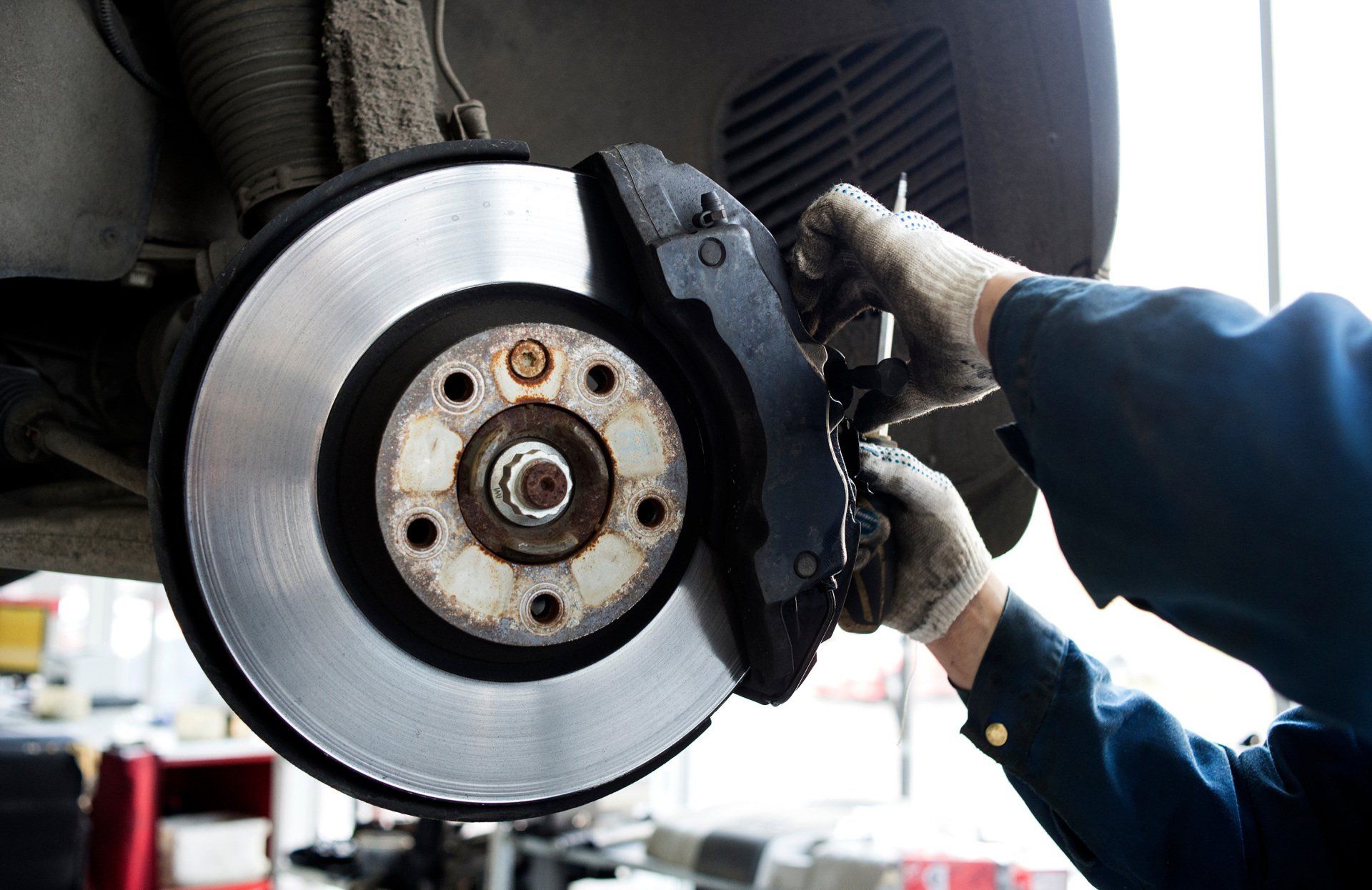
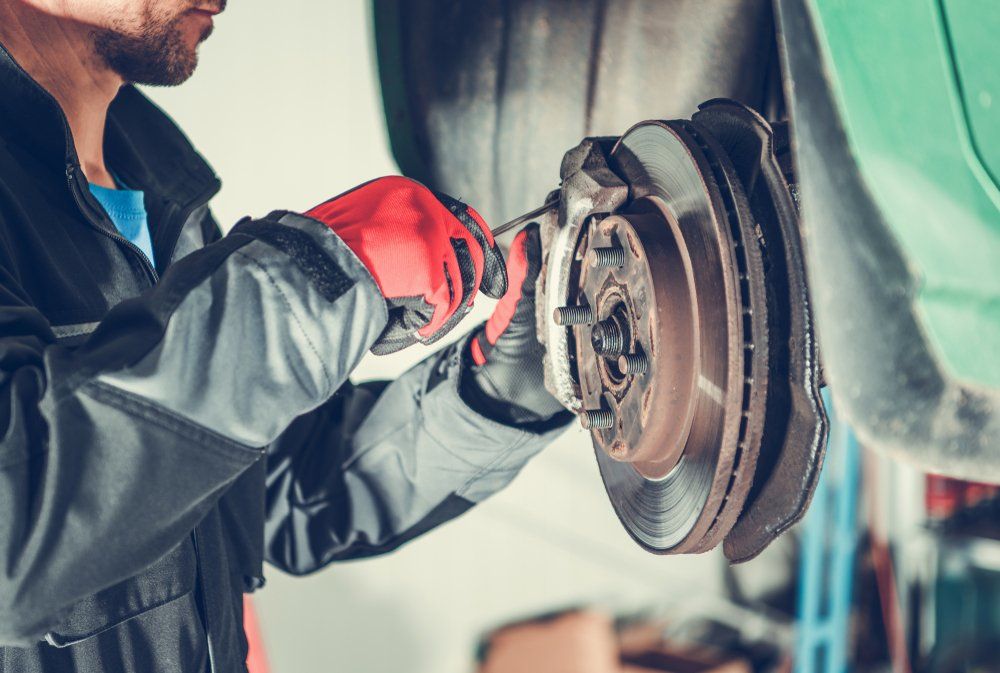
A proper trailer brake inspection goes well beyond simply checking whether the brakes engage. The goal is to assess the condition, compliance and effectiveness of the entire system under real towing conditions.
At Kings Brake Service Specialists, inspections cover both the trailer braking components and how the system interacts with the tow vehicle.
A typical inspection may include:
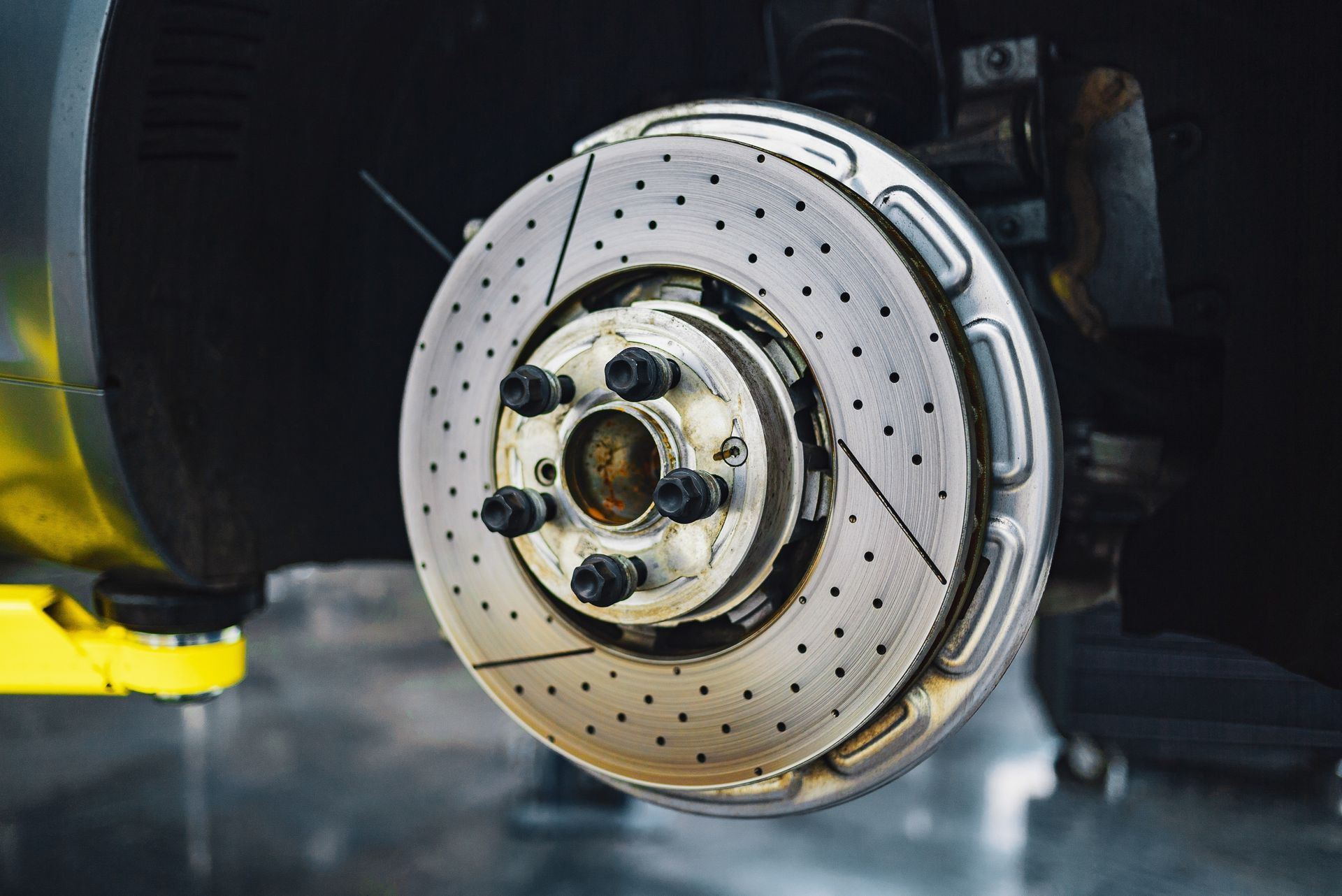
- Brake component wear checks
- Electric brake controller testing
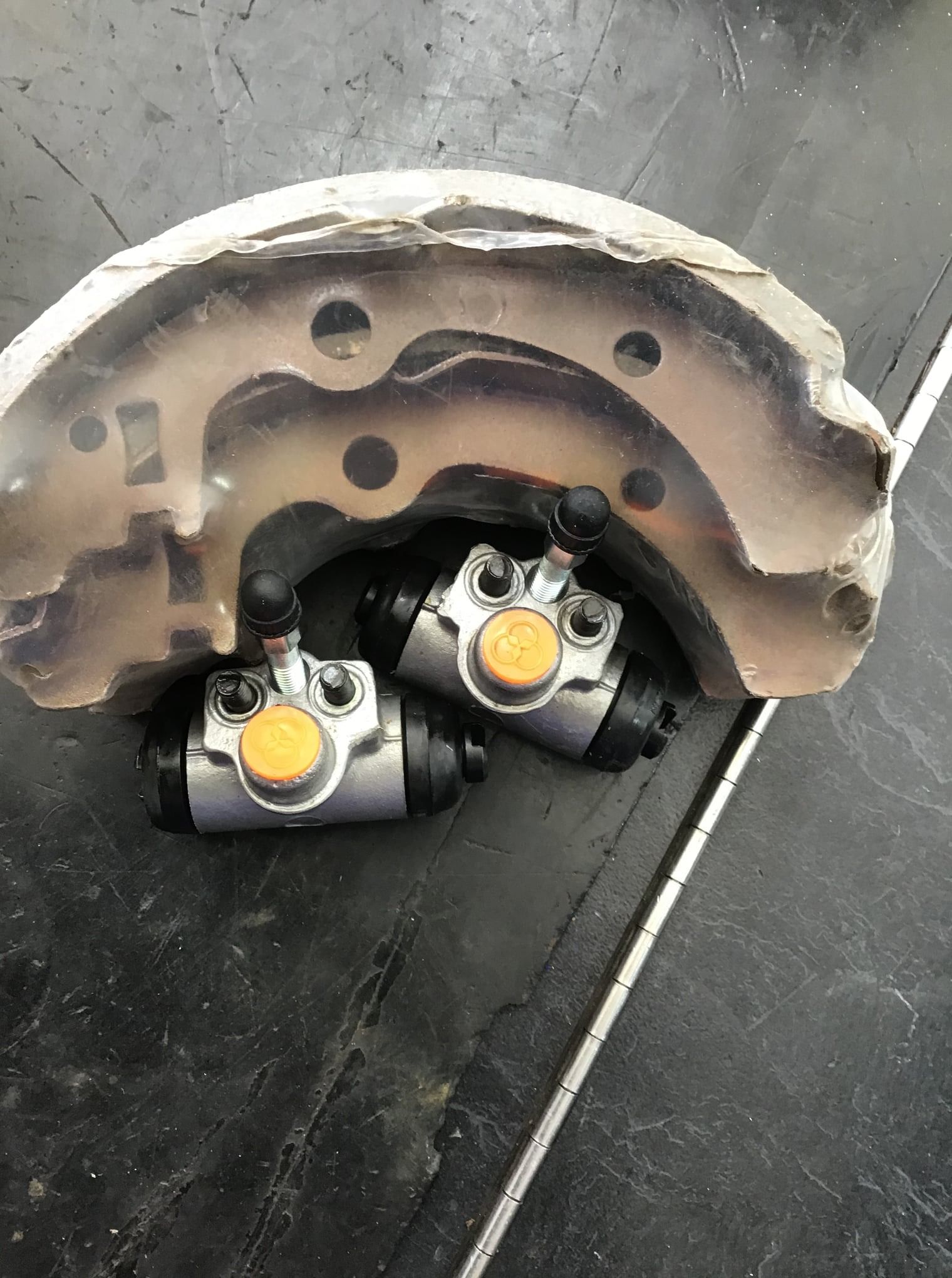
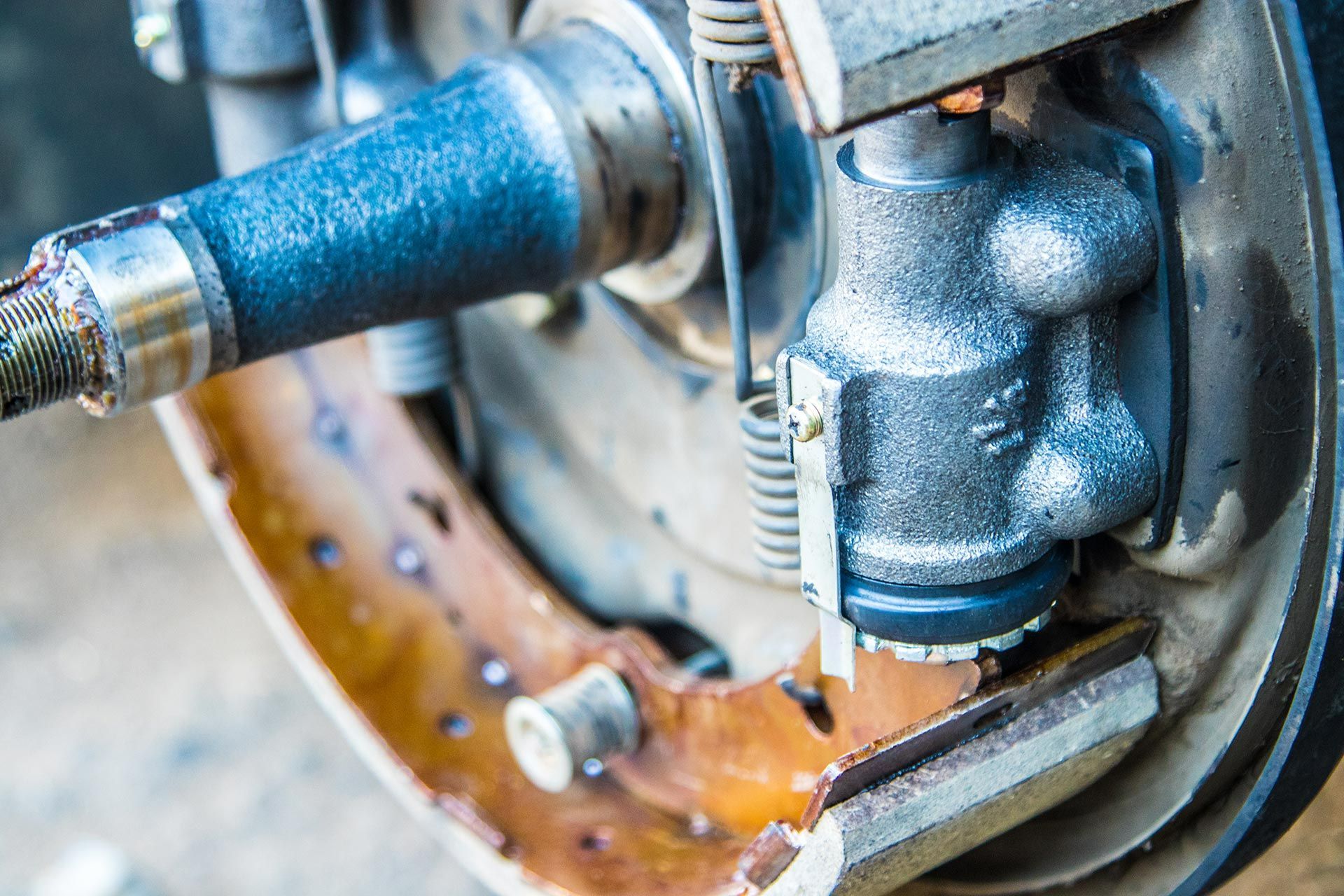
- Drum and magnet inspection
- Wiring and connection testing
- Breakaway system testing
- Brake adjustment and calibration
- Compliance assessment against NSW requirements
At Kings Brake Service Specialists, we inspect and service trailer brakes in Tamworth across all trailer types — from camper trailers and horse floats to boat trailers and farm equipment.
For many drivers, the inspection simply provides reassurance that everything is operating properly before a major trip, stock movement or holiday season begins.
What Happens If You're Towing Without Compliant Brakes?
Most drivers are not intentionally towing illegally. In many cases, they simply don't realise their trailer setup no longer meets current standards or has gradually fallen out of compliance over time.
Still, towing without compliant brakes can create problems if an issue arises on the road.
Possible consequences include:
- Fines during roadside inspections
- Failed registration or safety inspections
- Increased liability after accidents
- Insurance complications following incidents
- Reduced towing stability and braking performance
The goal is not to create unnecessary fear around towing. For most drivers, a simple inspection and adjustment process is enough to identify whether the setup remains safe and road-legal.
Peace Of Mind Before Your Next Tow
Towing safely comes down to more than the vehicle in front — it starts with what's behind it. If you're unsure whether your trailer setup meets NSW requirements, the team at Kings Brake Service Specialists can check it out. For
brakes Tamworth drivers can trust on every road trip, long haul, and stock run —
book a trailer brake inspection today.
Frequently Asked Questions
Do all trailers need brakes in NSW?
No. In NSW, trailers under 750kg GTM are generally not legally required to have brakes fitted. Once a trailer exceeds 750kg GTM, braking systems become mandatory. Heavier trailers above 2,000kg GTM require electric brakes and a breakaway system under NSW regulations.
What weight trailer requires electric brakes in NSW?
Electric brakes become legally required once a trailer exceeds 2,000kg GTM in NSW. These systems must also include a breakaway safety mechanism capable of automatically activating the trailer brakes if the trailer disconnects from the tow vehicle while driving.
How do I know if my trailer brakes are working?
Common warning signs include the trailer pushing the vehicle while braking, brake fade downhill, unusual noises, unstable towing, or uneven stopping performance. Many braking issues develop gradually, which is why regular inspections are important even if the trailer still feels manageable to tow.
How often should trailer brakes be serviced?
Trailer brakes should generally be inspected annually or before major towing trips, particularly for caravans, horse floats and frequently used trailers. Regional towing conditions, long-distance travel and exposure to dust, water and corrosion can all increase wear on braking components.
Can I get my trailer brakes checked in Tamworth?
Yes. Kings Brake Service Specialists provides inspections and servicing for trailer brakes in Tamworth across caravans, horse floats, camper trailers, boat trailers and agricultural towing setups. Inspections can help identify both safety concerns and compliance issues before your next trip.