The Role Of ABS In Modern Braking Systems
A sudden stop on a wet road can feel unpredictable, especially when traction is limited and reaction time matters. Whether it is a busy intersection or an unexpected obstacle, how your vehicle responds under braking can directly impact your safety. Modern vehicles are built to reduce this uncertainty, using systems designed to support driver control in high-pressure situations.
One of the most important of these is the anti-lock braking system, commonly known as ABS. While many drivers are aware of the term, fewer understand how it actually works or how it contributes to everyday driving safety.
From routine commuting to emergency braking on unpredictable surfaces, ABS plays a vital role in keeping your vehicle stable and responsive. Understanding how it functions, when it activates, and how to maintain it can help you make more informed decisions about your vehicle’s safety and servicing needs.
What Exactly Does an Anti-lock Braking System Do During Sudden Stops?
When you apply heavy braking force, especially at higher speeds, your wheels can lock and lose traction. This can cause the vehicle to skid, removing your ability to steer and increasing stopping distance. ABS is designed to prevent this by rapidly adjusting brake pressure, allowing the wheels to keep rotating while slowing down.
Instead of relying on a single, constant braking force, ABS pulses the brakes many times per second. This ensures that each tyre maintains contact with the road surface, helping you stay in control even during sudden stops.
- Monitors wheel speed using sensors mounted at each wheel
- Detects when a wheel is about to stop rotating under braking
- Automatically reduces and reapplies brake pressure
- Maintains steering control while slowing the vehicle
In modern
brake systems in Tamworth vehicles, this technology has become a standard feature, helping drivers respond more safely to unexpected situations.
From Sensors to Control Modules: How Brake Specialists Diagnose ABS Faults
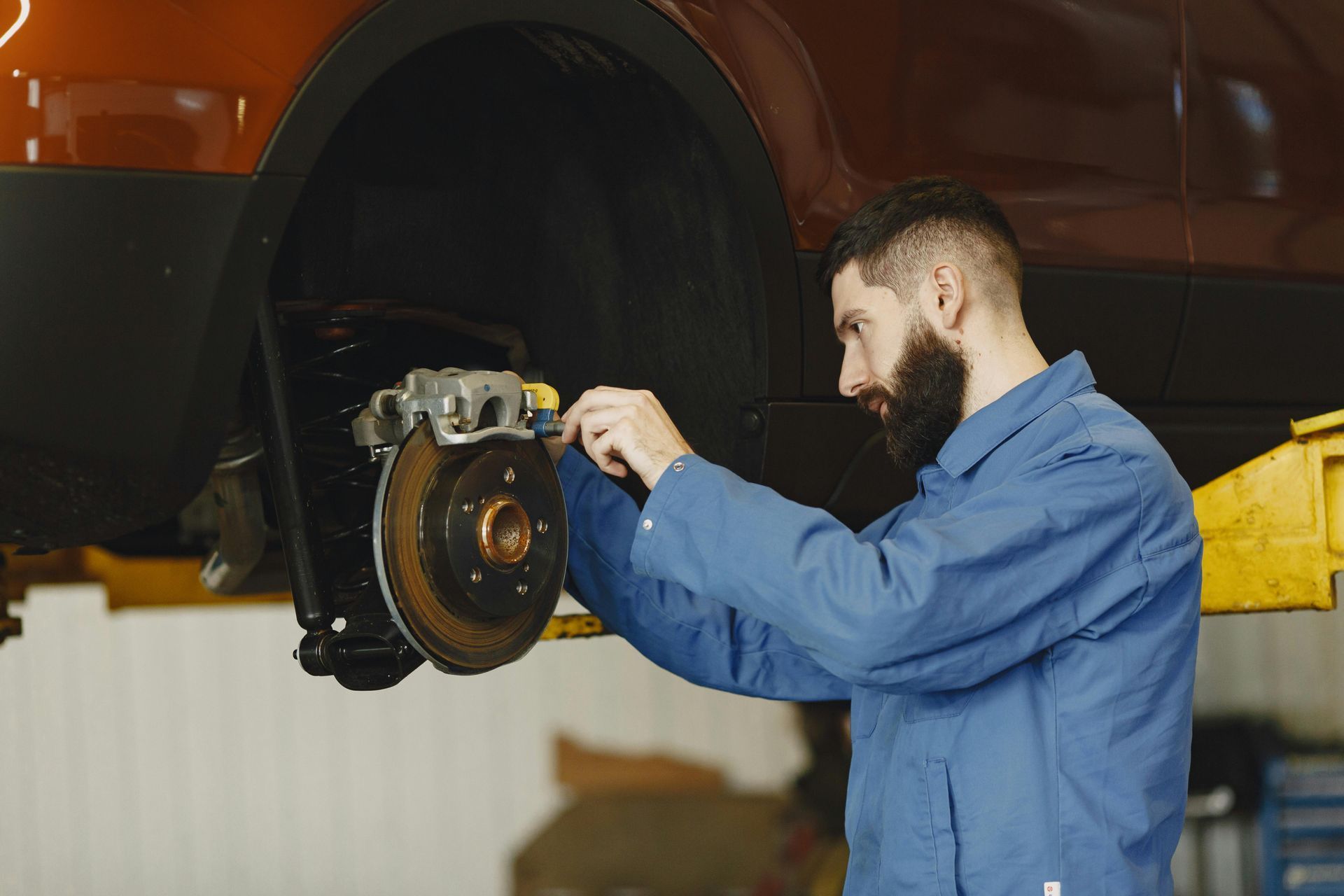
ABS systems combine electronic monitoring with mechanical braking components, which means faults can arise from multiple sources. Diagnosing these issues requires more than a visual inspection, as many problems are stored within the vehicle’s onboard systems.
We use specialised diagnostic equipment to communicate with your vehicle and identify where faults are occurring. This allows us to pinpoint the issue accurately and recommend appropriate repairs without unnecessary guesswork.
- Using scan tools to retrieve ABS fault codes
- Inspecting wheel speed sensors for dirt, damage, or misalignment
- Checking wiring and electrical connections for faults
- Testing hydraulic components that regulate brake pressure
By taking a structured approach, we ensure that brake repairs Tamworth drivers rely on are efficient, accurate, and aligned with the vehicle’s design.
Why Abs Brakes Matter More on Wet Roads, Gravel, and Regional Highways
Driving conditions can change quickly, particularly on roads where moisture, debris, or loose surfaces reduce tyre grip. In these situations, traditional braking can cause wheels to lock, increasing the likelihood of skidding.
ABS helps manage these risks by adapting braking force in real time, allowing the tyres to maintain traction even on challenging surfaces. This is particularly important for drivers who regularly encounter variable road conditions.
- Helps prevent sliding on wet or slippery bitumen
- Maintains control when braking on gravel or dirt roads
- Supports safer braking at highway speeds
- Reduces the likelihood of losing directional control
ABS brakes Tamworth drivers depend on are especially valuable in environments where road surfaces are not always predictable.
Understanding the ABS Warning Light and What It Means for Your Safety
When the ABS warning light appears on your dashboard, it indicates that the system has detected a fault. While your standard braking system may still function, the anti-lock feature may not be available when you need it most.
This can reduce your vehicle’s ability to handle emergency braking situations, particularly on low-traction surfaces. It is important not to ignore this warning, even if your vehicle seems to be driving normally.
- Faulty or contaminated wheel speed sensors
- Damaged wiring or poor electrical connections
- Issues within the ABS control module
- Problems in the hydraulic braking system
If you notice this warning, arranging a brake inspection Tamworth drivers trust is the most effective way to restore full system functionality and maintain safety.
How Regular Brake Inspections Support Reliable ABS Performance
ABS relies on the condition of the entire braking system to function correctly. Worn components, low fluid levels, or uneven brake performance can all impact how effectively the system operates.
Routine inspections allow us to identify these issues early, ensuring that both the mechanical and electronic elements of your braking system are working together as intended.
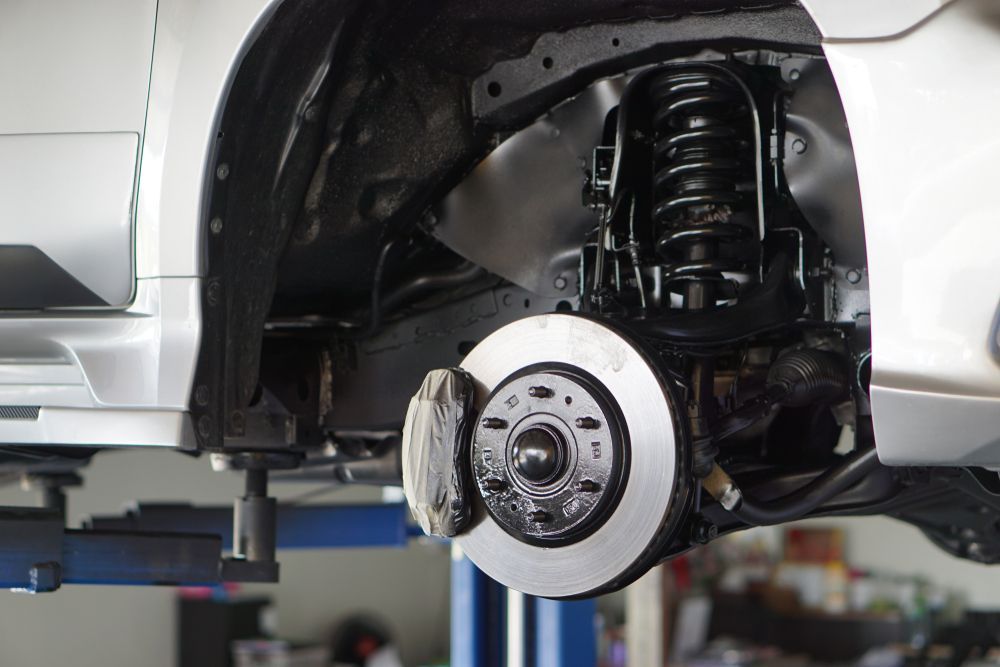
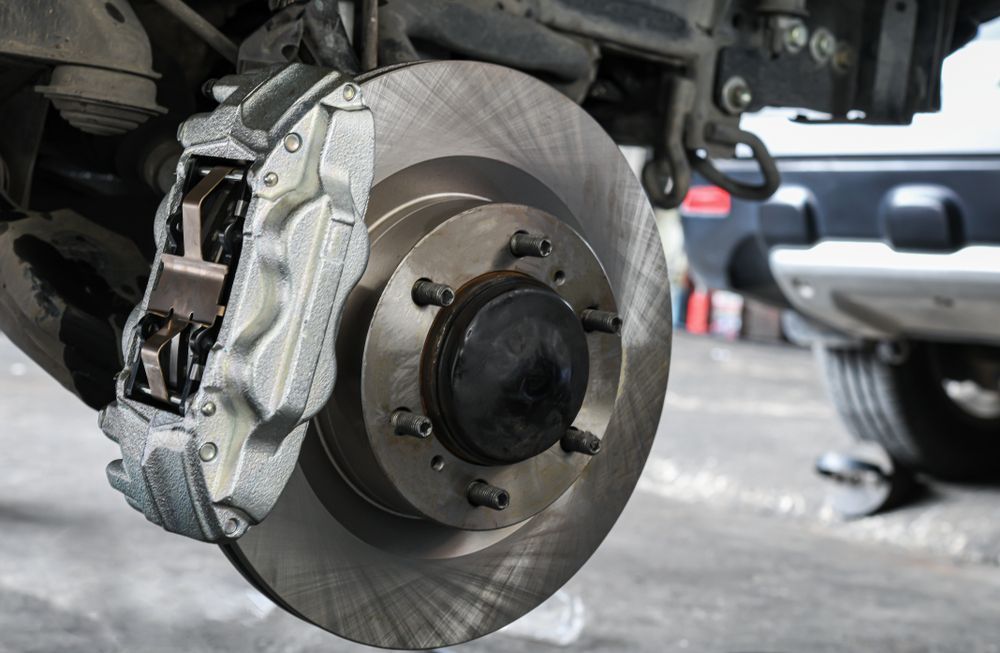
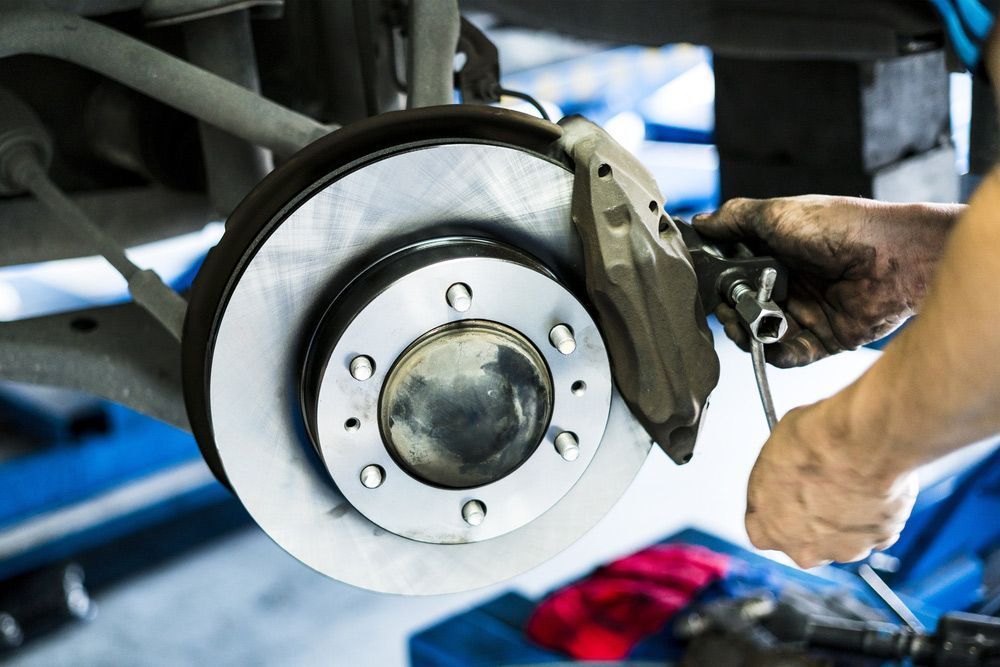
- Checking brake pads and discs for wear and consistency
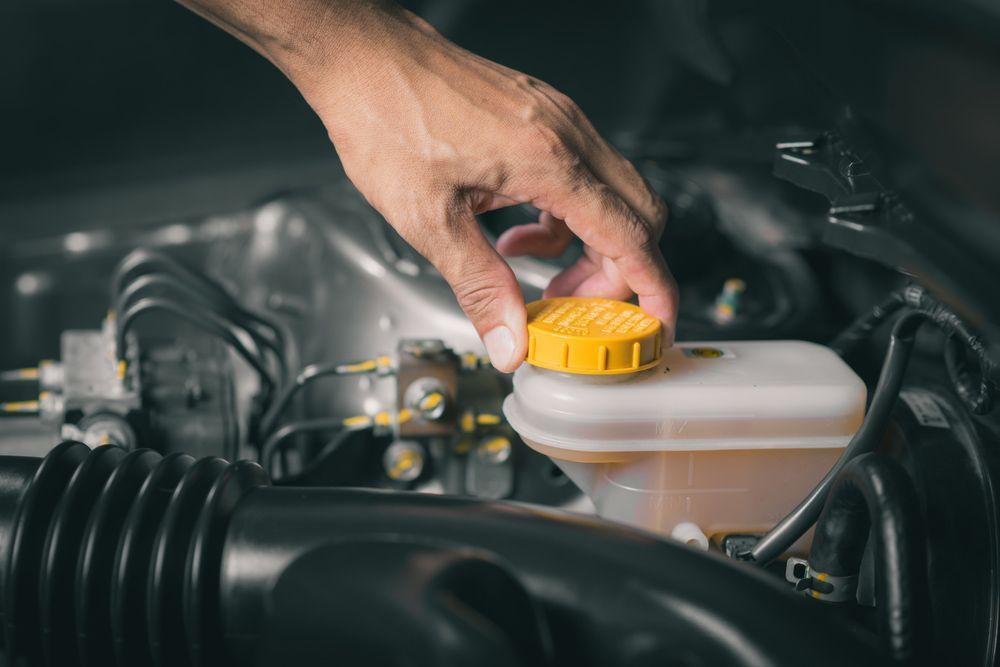
- Inspecting brake fluid for contamination or degradation
- Testing ABS sensors and system responsiveness
- Identifying issues that may affect braking balance
A scheduled car brake service Tamworth vehicle owners maintain helps ensure that ABS remains reliable and responsive over time.
When ABS Activates: What Drivers Should Expect Behind the Wheel
If ABS activates, the sensation can feel unusual if you are not familiar with it. You may notice vibrations in the brake pedal or hear a rapid clicking sound. These signals indicate that the system is actively working to prevent wheel lock-up.
Rather than releasing the brake, it is important to continue applying firm pressure and allow the system to do its job. This ensures the vehicle slows down effectively while maintaining steering control.
- Pulsing or vibrating brake pedal
- Mechanical noises during hard braking
- Ability to steer while braking heavily
- Controlled and stable stopping response
Recognising these signs helps drivers respond appropriately and avoid overcorrecting during emergency situations.
Common ABS Issues We See During Brake Repairs and How They’re Fixed
Like any vehicle system, ABS components can wear over time or be affected by environmental factors such as dirt, moisture, and road debris. Identifying these issues early can prevent more extensive repairs and maintain system performance.
Our repair process focuses on restoring the system to full functionality, ensuring all components operate as designed.
- Replacing worn or faulty wheel speed sensors
- Repairing damaged wiring or electrical connections
- Servicing or replacing ABS control modules
- Flushing and replacing brake fluid where needed
These types of brake repairs Tamworth drivers require are essential for keeping the anti-lock braking system functioning reliably.
The Link Between Full Brake System Servicing and Long-term Vehicle Safety
ABS is only one part of your vehicle’s braking system, and its effectiveness depends on the condition of all related components. A well-maintained system ensures consistent braking performance and reduces the likelihood of unexpected failures.
By addressing both routine wear and system-specific issues, a full brake service supports long-term safety and reliability.
- Ensures even brake pad and disc performance
- Maintains correct hydraulic pressure throughout the system
- Keeps brake fluid clean and effective
- Supports communication between electronic and mechanical components
For more information on maintaining your braking system and ABS performance, visit our website.
We at Kings Brake Service Specialists understand how important reliable braking is, especially with the varied road conditions drivers face around Tamworth, from wet streets to gravel roads and long regional drives. Keeping your ABS and overall braking system in good condition is essential for maintaining control and confidence behind the wheel.
If you have noticed an ABS warning light, changes in braking performance, or simply want to stay ahead with preventative maintenance, our team is ready to help. Get in touch with us today to book your next inspection or service and keep your vehicle performing safely when it matters most.