Brake Pads Vs Brake Rotors: What’s The Difference?
You press the brake pedal approaching an intersection and notice a faint squeal that wasn’t there last week. The car still stops, but something feels slightly different. For many drivers, that moment sparks the same question: is it the brake pads, the rotors or both? It’s a common concern for drivers searching for reliable brakes in Tamworth services when their vehicle starts showing early warning signs.
Understanding the difference between brake pads and brake rotors is essential for making informed decisions about maintenance and repairs. While they work together to bring your vehicle to a stop, they serve distinct roles and wear in different ways. Knowing how each component functions and when it needs attention can help you avoid unnecessary costs and, more importantly, maintain safe braking performance.
The Moment Your Brakes Start Squealing: Pads, Rotors or Both?
Brake noise is often the first warning sign that something isn’t right. A high-pitched squeal when slowing down can point to worn brake pads, while a grinding sound may indicate more serious wear affecting the rotors.
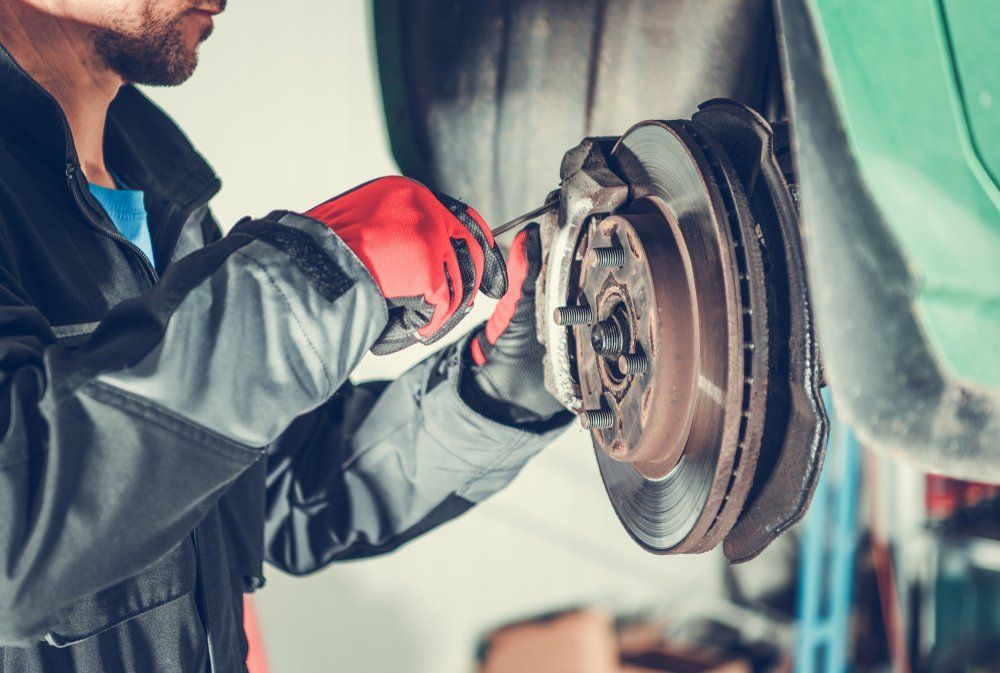
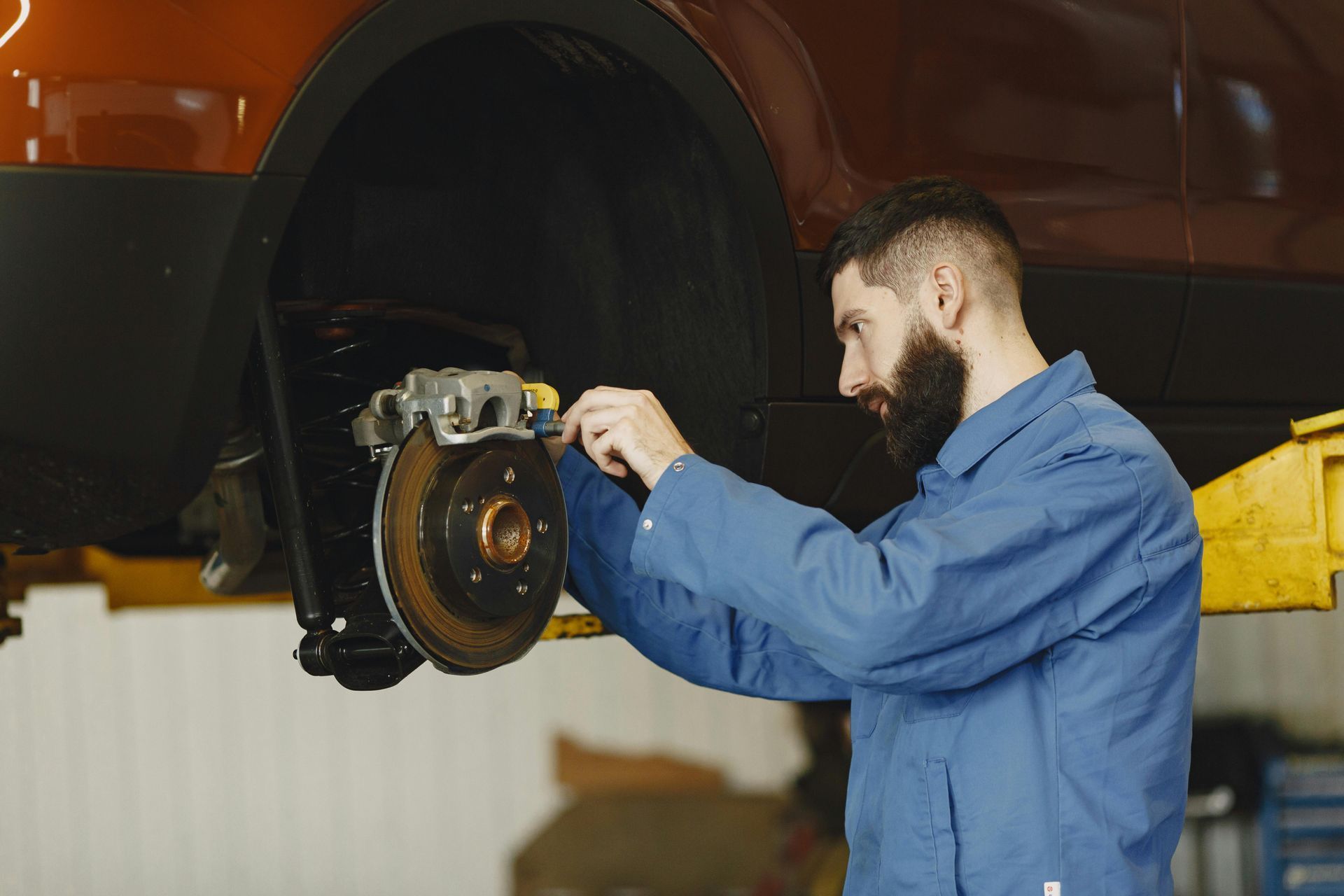
When a vehicle comes into a brake repair workshop with noise concerns, technicians typically:
- Perform a full brake inspection, including pad thickness & rotor condition
- Check for scoring, heat spots or uneven wear on the rotors
- Assess brake callipers & related hardware for correct operation
Rather than guessing, professional diagnostics identify the exact source of the problem. This ensures that only the necessary components are repaired or replaced, preventing minor issues from developing into costly damage.
Brake Pads Explained: The Friction Material That Stops Your Car
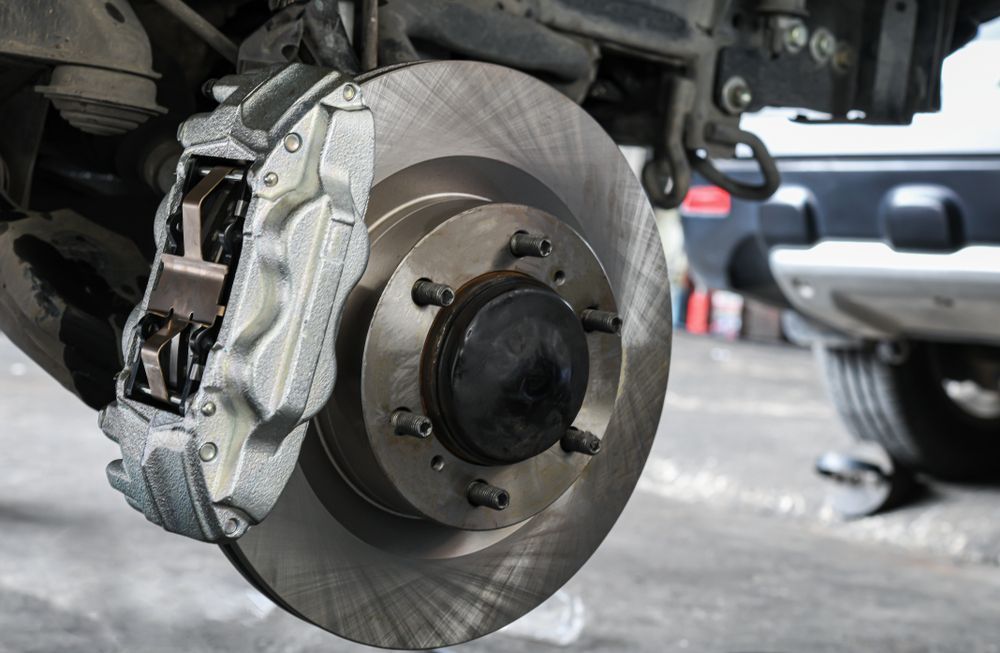
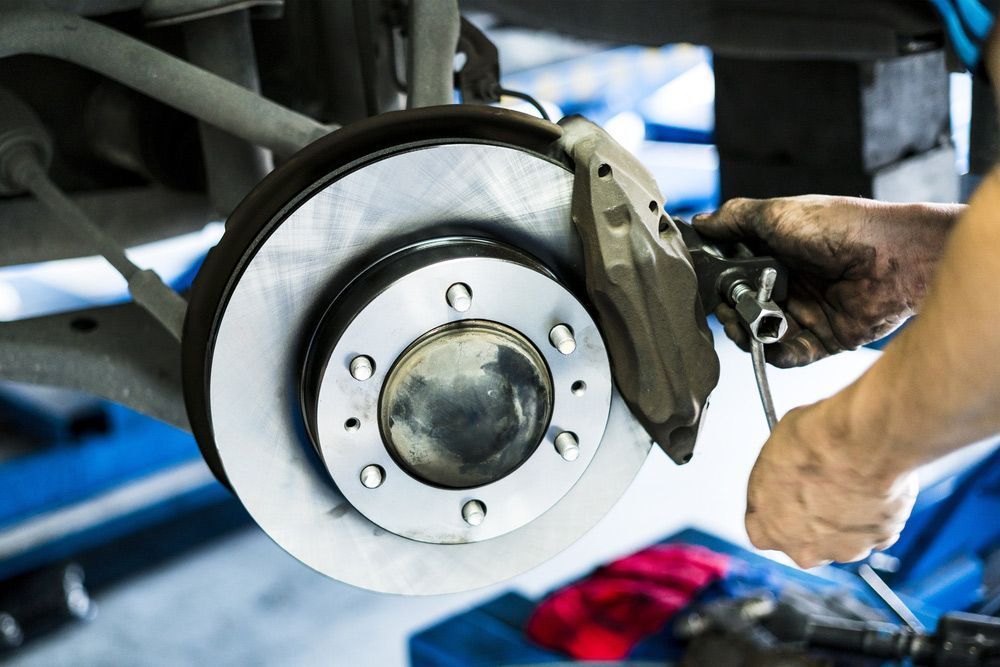
Brake pads are the friction components that press against the rotors when you apply the brake pedal. This contact generates the resistance required to slow and stop the vehicle.
Over time, brake pads naturally wear down due to constant friction. Replacement is typically required when the friction material becomes too thin to operate safely.
During a brake pad service, technicians will:
- Measure pad thickness against manufacturer specifications
- Inspect for uneven wear or contamination
- Install new pads correctly & ensure proper bedding-in
High-quality pad replacement is not simply about swapping parts. Correct fitting, alignment and compatibility with your vehicle’s braking system are critical to ensuring consistent stopping power and minimising noise or vibration.
Understanding Brake Rotors & Why Their Condition Matters
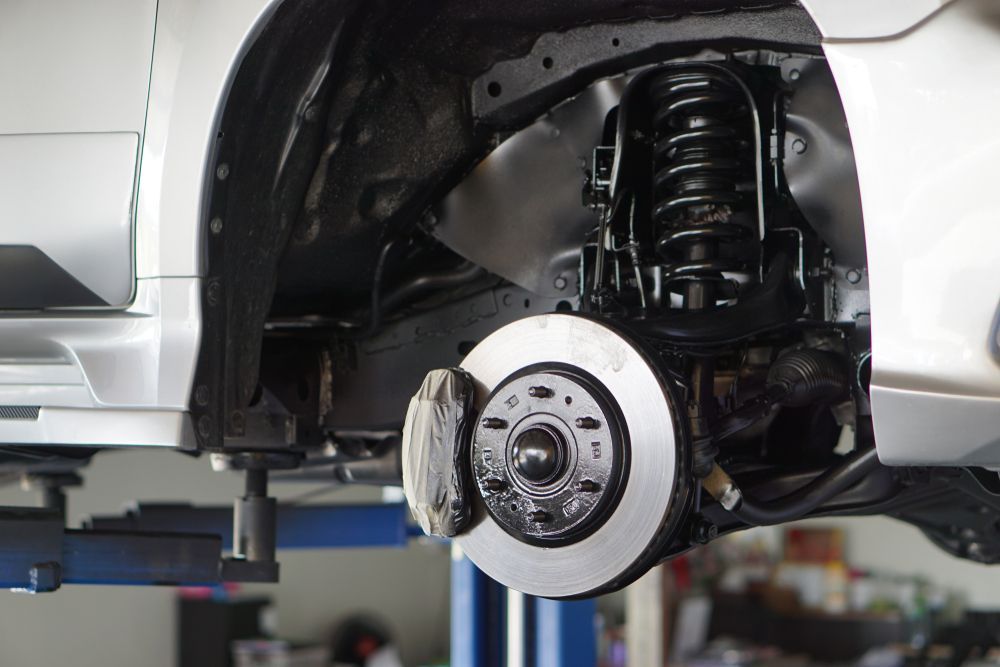
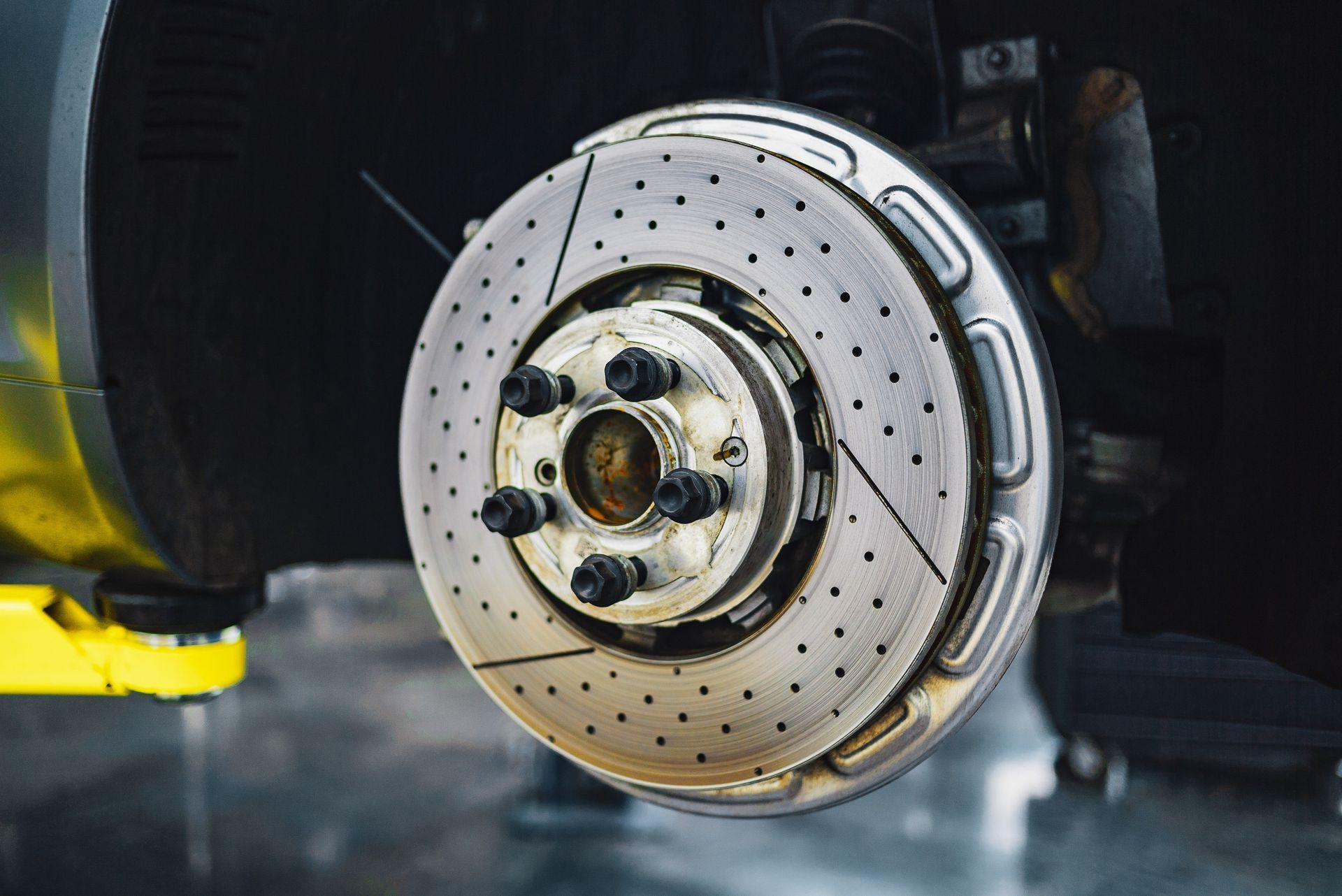
Brake rotors, sometimes referred to as brake discs, are the metal discs that rotate with your wheels. When the brake pads clamp onto them, friction is created, slowing the wheel’s rotation.
Rotors are built to withstand heat and pressure, but they are not immune to wear. Over time, they can become scored, warped or too thin to operate safely.
A professional brake service may include:
- Measuring rotor thickness to confirm it meets safety standards
- Machining or resurfacing rotors when appropriate
- Replacing rotors that are beyond service limits
Maintaining rotor condition is essential. Even brand-new brake pads cannot perform effectively if the rotors they press against are damaged or uneven.
Worn Pads vs Warped Rotors: Spotting the Difference Before It Escalates
Although brake pads and rotors work together, the symptoms of wear can differ. Recognising these differences can help drivers seek timely repairs.
Worn brake pads often cause:
- Squealing or screeching noises during braking
- Reduced braking responsiveness
- Warning lights on some vehicles
Warped or damaged rotors may lead to:
- Steering wheel vibration when braking
- Pulsation felt through the brake pedal
- Visible grooves or scoring on the rotor surface
Brake repair specialists use thorough inspections to pinpoint the cause. Addressing the issue early prevents uneven wear from spreading to other components in the braking system.
Why Replacing Pads Alone Isn’t Always Enough
It can be tempting to replace brake pads and leave the rotors untouched, particularly if the rotors appear serviceable at first glance. However, this approach is not always suitable.
In some cases:
- Rotors may be below minimum thickness specifications
- Uneven surfaces can cause premature wear on new pads
- Heat damage may reduce braking efficiency
A comprehensive brake service evaluates both components together. Replacing pads without addressing worn rotors can shorten the lifespan of new parts and compromise braking smoothness. Professional advice ensures that repairs align with safety requirements and long-term vehicle reliability.
The Role of Professional Brake Inspections in Preventing Major Repairs
Routine brake inspections are one of the most effective ways to avoid unexpected repair bills. By checking components at regular intervals, technicians can identify wear before it becomes severe.
A thorough inspection generally includes:
- Measuring pad & rotor wear
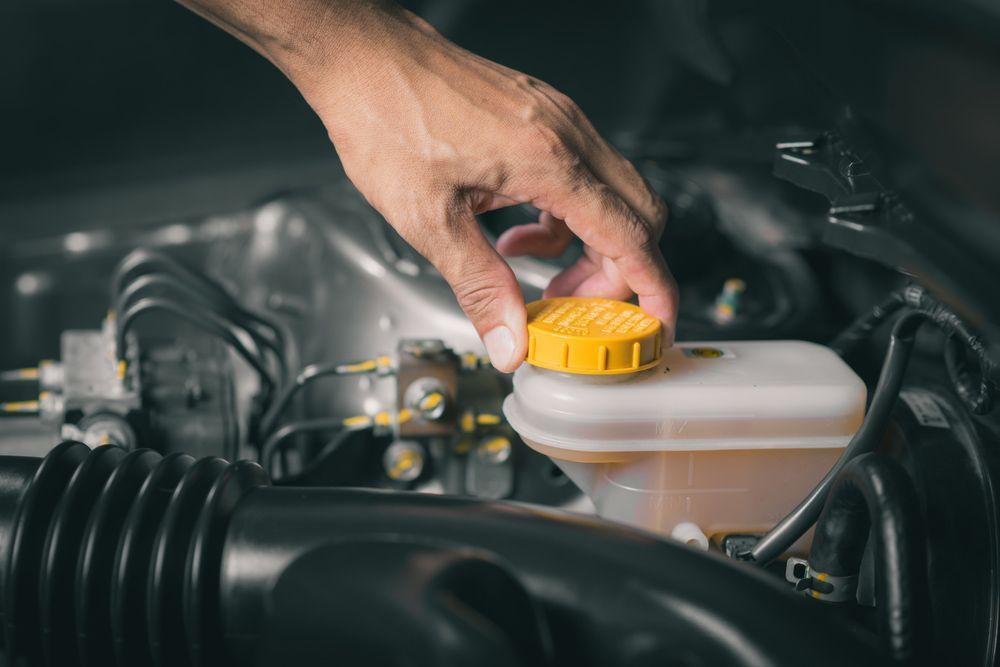
- Checking brake fluid condition & levels
- Inspecting callipers, hoses & mounting hardware
Early detection allows minor issues to be corrected promptly. Whether it involves replacing pads, machining rotors or adjusting components, proactive servicing supports safe operation and reduces the likelihood of emergency repairs.
How Driving Habits Influence Brake Pad & Rotor Wear
Not all brake wear occurs at the same rate. Driving style and conditions have a direct impact on how quickly pads and rotors deteriorate.
Factors that influence wear include:
- Frequent stop-start driving in heavy traffic
- Carrying heavy loads that increase braking demand
- Riding the brakes on long downhill descents
Brake repair professionals often provide tailored advice based on your vehicle usage. Adjusting driving habits and following recommended service intervals can help extend the lifespan of both pads and rotors, improving overall braking performance.
Choosing the Right Brake Repair Service for Pads & Rotors
When it comes to brake repairs, accuracy and attention to detail matter. Selecting a workshop that focuses on proper inspection and transparent recommendations can make a significant difference.
Look for a service provider that:
- Conducts comprehensive brake system assessments
- Explains findings clearly before proceeding with repairs
- Uses suitable replacement parts matched to your vehicle
A well-equipped brake repair workshop will not only replace worn components but also ensure the entire braking system operates as intended. Clear communication and thorough workmanship help drivers feel confident about their vehicle’s safety.
If you have noticed brake noise, vibration or reduced stopping performance, it may be time for a professional assessment. We at Kings Brake Service Specialists understand the demands placed on vehicles across Newcastle’s varied driving conditions, from daily commuting to heavier braking in busy traffic. Our team carefully inspects brake pads, rotors and the entire braking system to ensure everything functions safely and reliably.
Visit our website to learn more or call us to book your brake inspection. Taking action early can help prevent more extensive repairs and keep your vehicle performing as it should on the road.