Brakes Tamworth: Do You Need Electric Brakes To Tow A Caravan?
If you are preparing a caravan for a trip from Tamworth along the New England Highway or further afield, checking the braking setup should be part of your pre-departure planning. In NSW, trailer brake requirements are determined by Gross Trailer Mass (GTM), not simply by how large the caravan appears. Having your
brakes in Tamworth checked before towing can confirm whether the caravan, brake controller and towing vehicle are working together correctly and meeting applicable requirements.
Do You Need Electric Brakes to Tow a Caravan?
Not every caravan legally requires electric brakes, but braking requirements become more demanding as GTM increases. NSW Government guidance states that trailers up to 750 kg GTM do not require brakes. From 751 kg to 2,000 kg GTM, an efficient braking system must operate on both wheels of at least one axle. Above 2,000 kg GTM, brakes must operate on all wheels and cannot rely on an over-run system.
The key NSW thresholds are:
- Up to 750 kg GTM, trailer brakes are not mandatory.
- From 751 kg to 2,000 kg GTM, brakes are required on at least one axle.
- Above 2,000 kg GTM, all wheels must be braked and a compliant breakaway system is required.
Checking the trailer's rated mass is more reliable than deciding based on caravan size alone.
How Do Electric Caravan Brakes Work?
Electric caravan brakes use a signal from the towing vehicle to activate braking components at the trailer wheels. A brake controller adjusts braking force so the caravan slows with the tow vehicle rather than relying on the vehicle to manage the full load. Correct setup matters because excessive braking can cause harsh trailer behaviour, while insufficient braking increases demand on the tow vehicle.
A complete electric braking setup relies on:
- Functional electric brake assemblies at the required wheels.
- A compatible brake controller and electrical connection.
- Correct adjustment to suit the loaded caravan.
For owners checking caravan brakes in Tamworth, testing the complete towing combination is important because individual components may appear functional without working correctly together.
Understand Why Loaded Mass Matters
One common mistake is focusing on the caravan's empty weight rather than the mass that matters when it is loaded for travel. GTM refers to the mass imposed through the caravan's wheels when it is connected to the tow vehicle, while ATM includes the total allowable trailer mass. NSW braking requirements are based on GTM.
Before travelling, confirm:
- The relevant mass ratings shown on the caravan's compliance information.
- The effect of water, gas bottles, food and luggage on loaded weight.
- The towing and towbar limits specified for the vehicle.
A setup that seems adequate when empty may behave very differently once loaded for a longer journey.
Towing Places Greater Demand on the Whole Braking System
Adding a caravan increases the total mass that must be controlled whenever you slow down or stop. Understanding how towing affects your brakes means considering more than the trailer components alone. The tow vehicle's brakes, tyres and suspension all contribute to stability and stopping performance, while longer braking distances are needed when towing.
Towing changes braking demands through:
- Additional mass during normal and emergency braking.
- Greater heat generation during repeated braking or long descents.
- Increased reliance on correctly adjusted caravan brakes.
Checking both the caravan and tow vehicle before travelling gives a clearer picture of braking condition.
Why a Physical Inspection Can Catch Hidden Problems
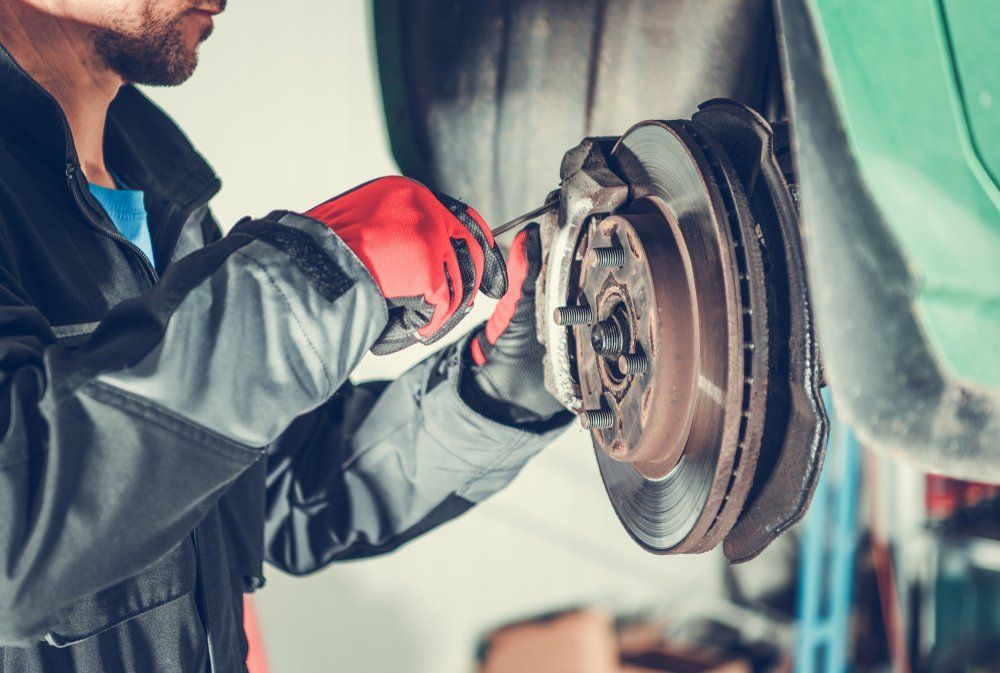
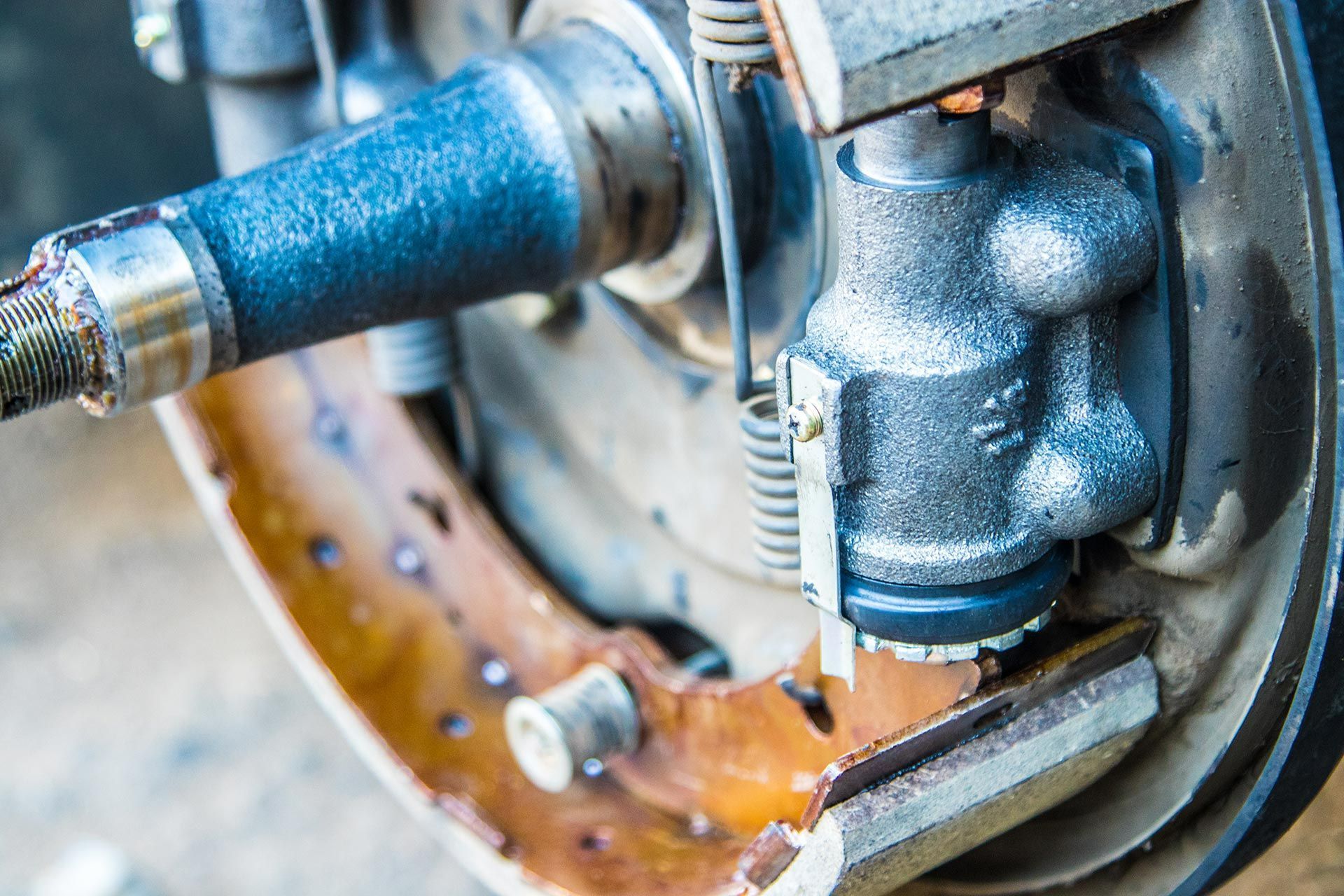
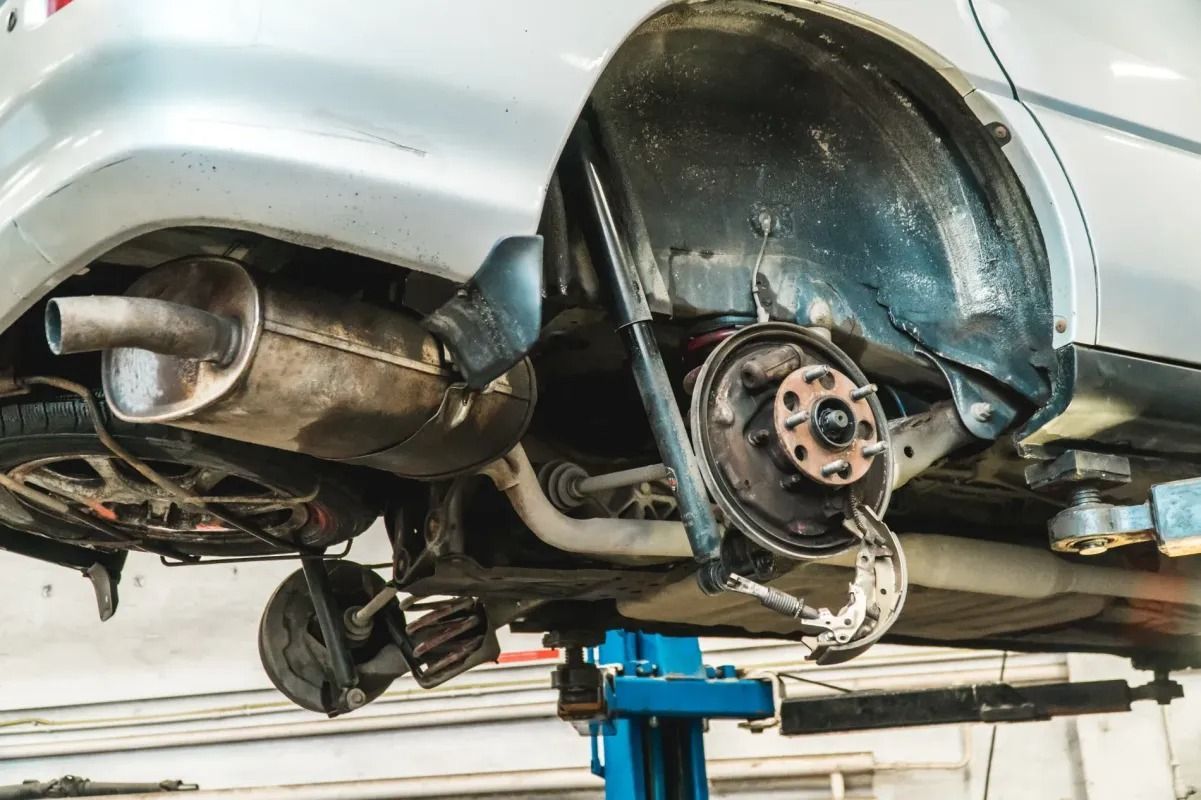
A caravan may have the correct braking system fitted and still need attention. Adjustment, worn components, damaged wiring, poor electrical connections or a weak breakaway battery can affect performance. A trailer brake inspection in Tamworth allows the hardware to be assessed rather than assuming the setup is compliant because electric brakes are already installed.
A useful inspection will check:
- Brake components for wear, adjustment and operation.
- Wiring, plugs and electrical connections.
- Breakaway equipment where required for the caravan's rated mass.
Inspection is particularly worthwhile before a major trip or after the caravan has been stored for an extended period.
What Changes Once GTM Exceeds Two Tonnes?
Caravans above 2,000 kg GTM have additional braking requirements. NSW rules require brakes on all wheels, braking that can be controlled from the driver's normal driving position and an automatic breakaway system. The breakaway system must apply the trailer brakes if the caravan separates from the tow vehicle.
For caravans above this threshold, check:
- Brakes are operating on every wheel.
- Braking force can be controlled appropriately from the towing vehicle.
- The breakaway system and its power source are functional.
The two-tonne threshold is therefore an important point when assessing whether an existing towing setup remains compliant.
Your Brake Controller Needs to Be Set Up Properly
Having electric brakes on the caravan does not automatically mean they are working effectively. Brake controller settings need to suit the caravan, load and towing arrangement. If braking force is too low, the caravan may push against the vehicle during stops. If it is too aggressive, the trailer wheels may brake too sharply.
Before a significant trip, confirm:
- The brake controller is functioning and communicating with the caravan.
- Braking response is smooth and appropriate for the loaded setup.
- Connections have not deteriorated through corrosion or damage.
For owners checking brakes in Tamworth, assessing the controller alongside the trailer brakes can reveal faults that might otherwise go unnoticed.
Do Not Rely on How the Caravan Looks
It is easy to assume that a compact caravan needs simpler brakes or that a larger model automatically falls into a higher category. NSW requirements do not work that way. The applicable braking system is determined by GTM, so the compliance plate and actual specifications matter more than physical appearance.
Before deciding your setup is ready, verify:
- The caravan's GTM rather than estimating requirements by size.
- The braking system fitted to each axle and wheel.
- Whether the towing vehicle has the required brake-control equipment.
Checking the specifications provides a clear basis for determining what braking equipment the caravan requires.
Get Your Caravan Brakes Checked Before You Tow
Preparing for a caravan trip is easier when you know the braking setup is suitable before joining highway traffic. If you are unsure whether your caravan meets NSW requirements or whether your
brakes in Tamworth are operating correctly, an inspection can identify worn components, controller issues and compliance concerns before departure. We at
Kings Brake Service Specialists can inspect your caravan and towing setup, check brake operation and identify work required before your next trip. Contact
our team to arrange an assessment before towing through Tamworth, the New England region or beyond.